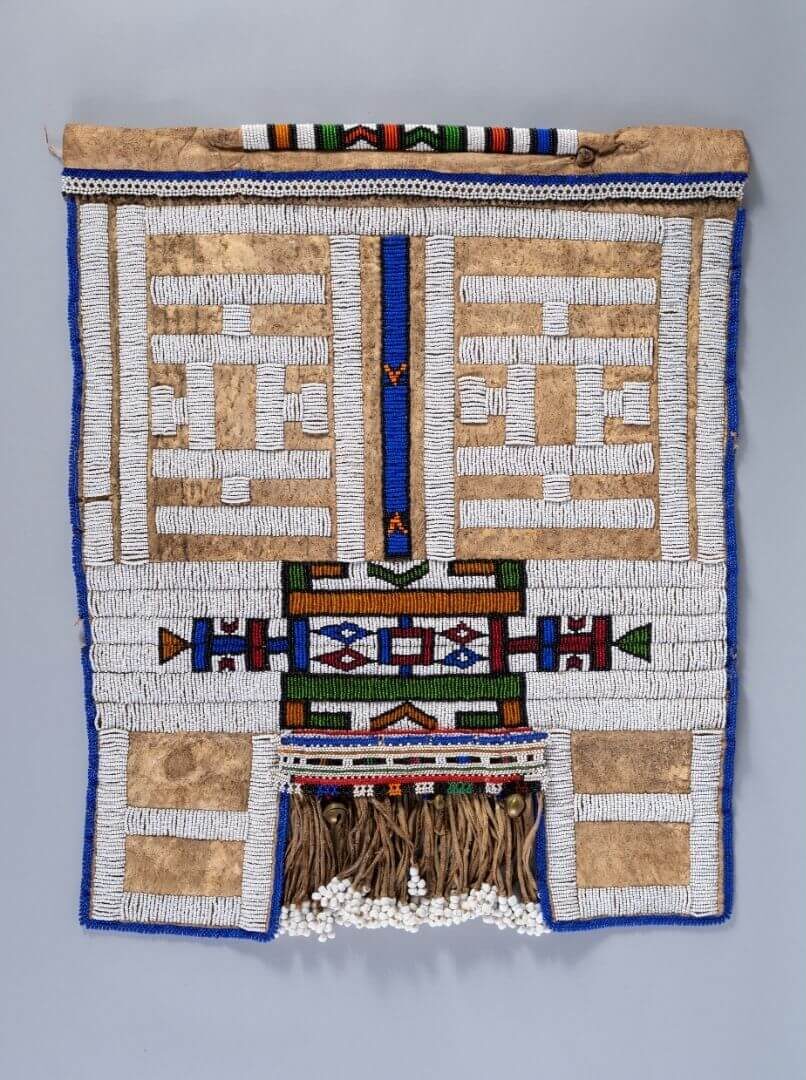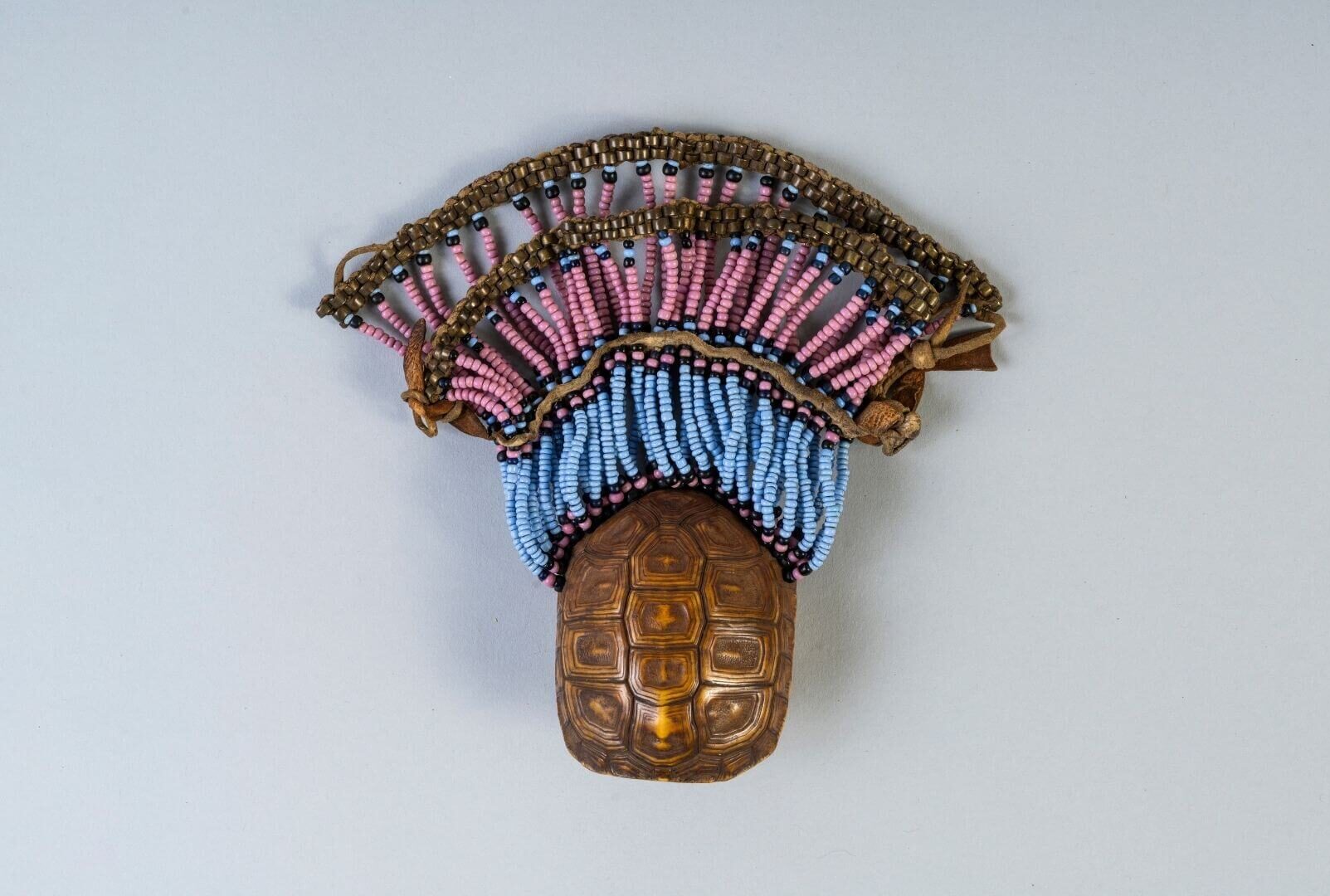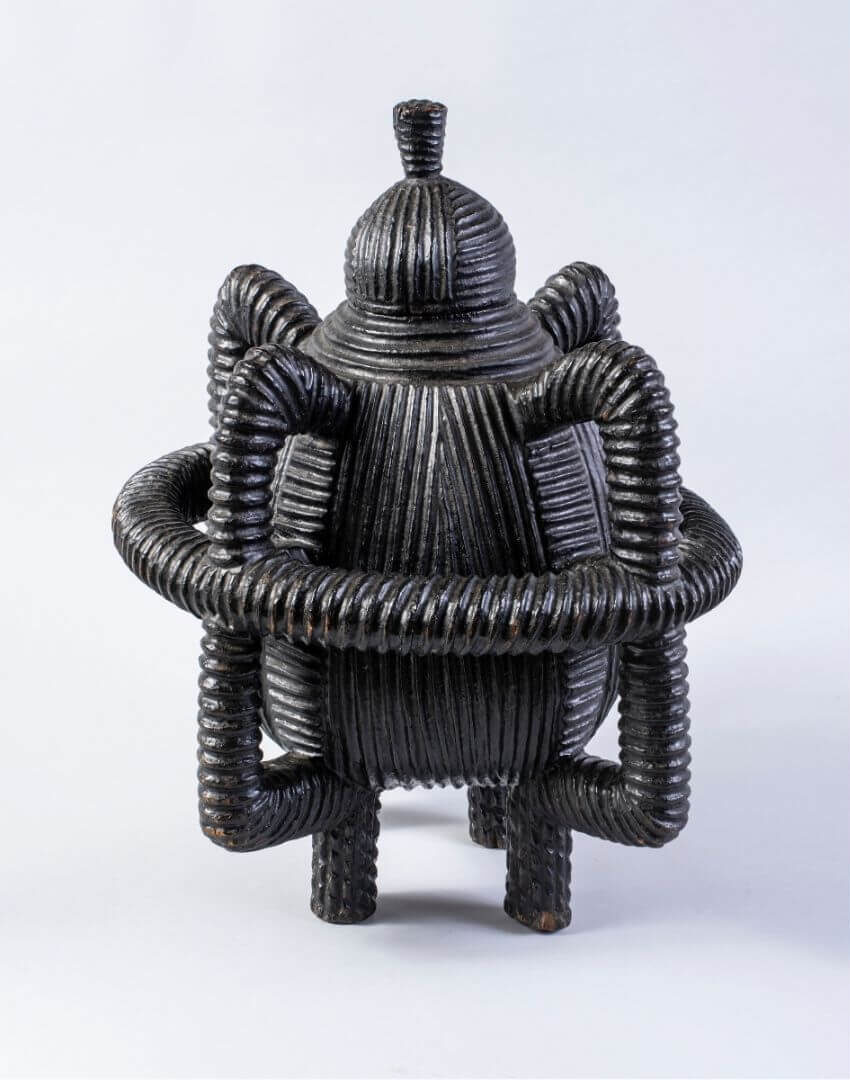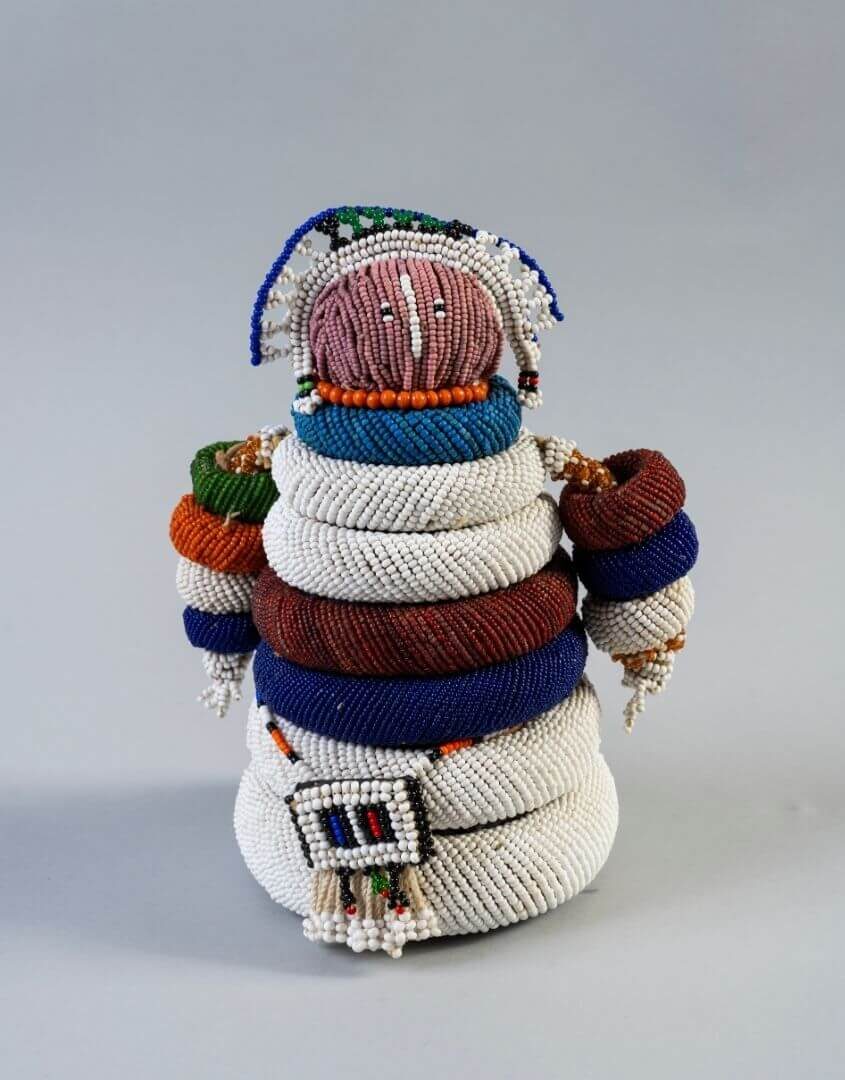
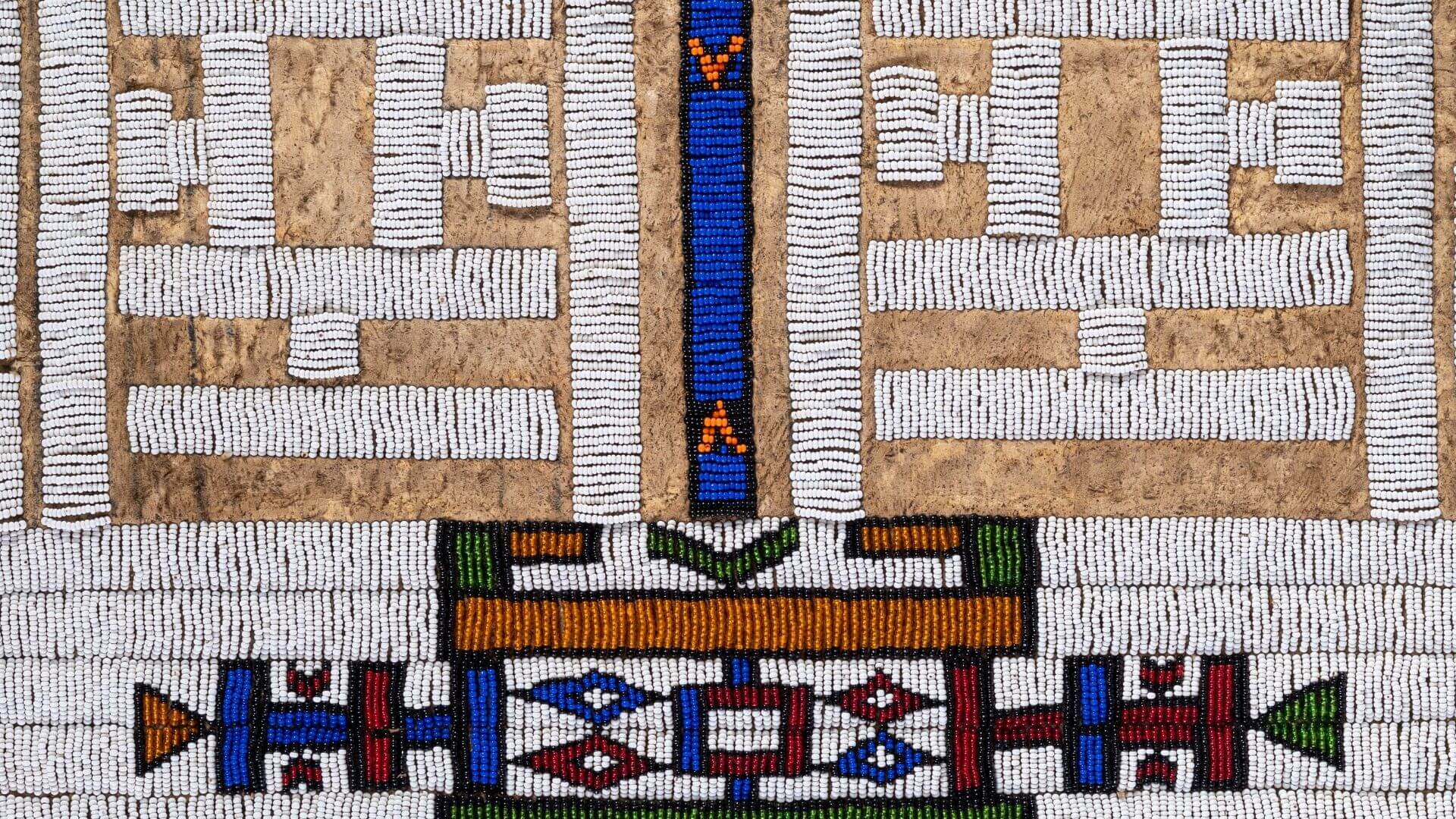
Orchard of the Imagination at the Javett Art Centre at the University of Pretoria presents a selection of works from the Brenthurst Collection of Southern African Art, inviting visitors to reconsider the ways material culture continues to shape contemporary understandings of identity, memory and belonging.
Rather than treating these objects as static artefacts, the exhibition approaches them through the lens of African Humanism, exploring how meaning is carried through use, ritual, storytelling and lived experience. The works on display, many dating from the eighteenth and nineteenth centuries, reveal the ways knowledge can be embedded within objects and passed between generations long after their original makers are gone.
The exhibition takes its title from the writing of Es’kia Mphahlele, whose ideas around African Humanism provide an important point of departure. His belief that culture is shaped through relationships, memory and community resonates throughout the exhibition, encouraging visitors to look beyond conventional museum categories and engage with these objects as part of ongoing cultural conversations.
At the heart of Orchard of the Imagination is an unusually thoughtful conservation project. Developed in partnership with the University of Pretoria’s Heritage Conservation Programme, the exhibition emerged from two years of research, conservation and close engagement with the collection. Rather than erasing signs of age and use, conservators chose to preserve them, recognising wear, repair and transformation as part of each object’s story.
The result is an exhibition that feels less concerned with documenting history than with understanding how history continues to live within the present. Questions of heritage, care, memory and cultural continuity run throughout the display, offering a nuanced perspective on Southern African material culture and the many lives these objects have carried across time.
For visitors interested in art, history and the ways objects can hold collective memory, Orchard of the Imagination offers a thoughtful encounter with a collection that continues to speak far beyond its origins.