The exhibition takes its title from the Shona phrase “Paivapo” “There once was…” the familiar opening of a story. From the outset, Nyariri invites visitors into a world where language is not fixed or certain, but constantly shifting and evolving.
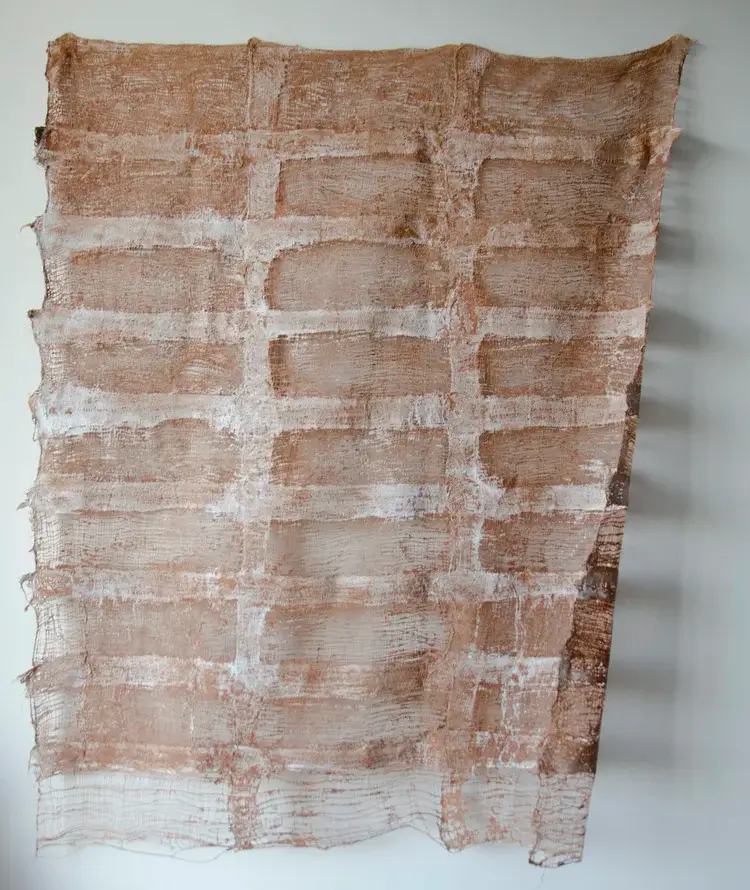
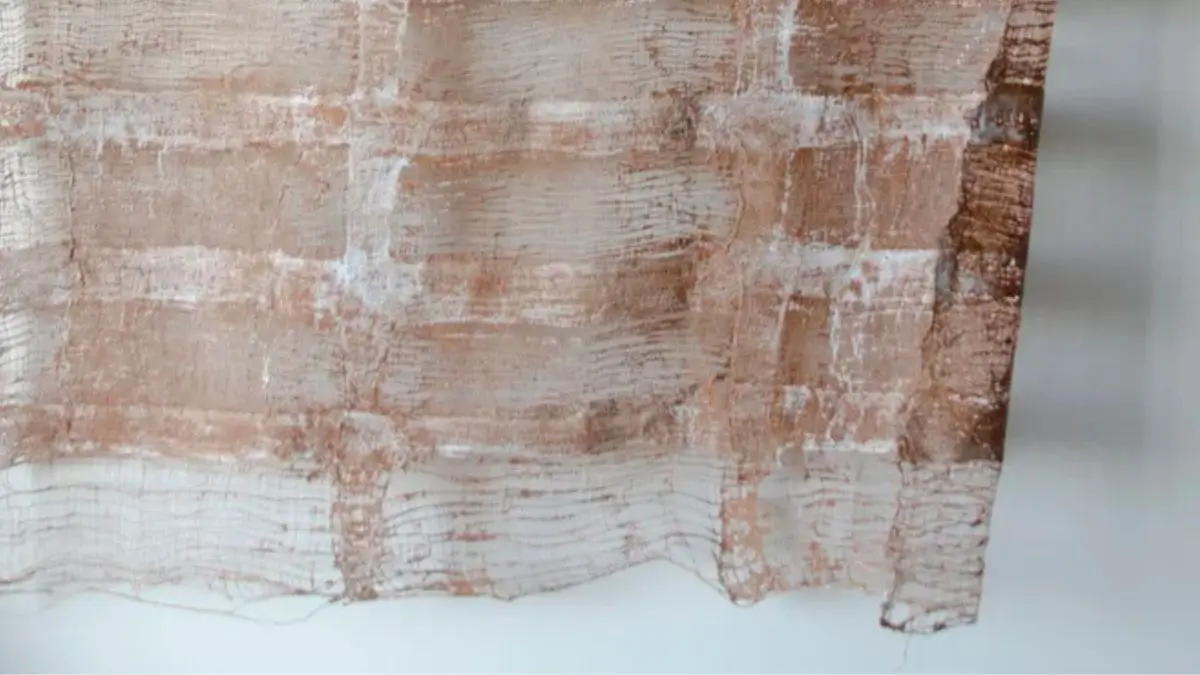
At the centre of the exhibition is a mysterious fictional character named Pidgin. Rather than appearing directly, Pidgin is encountered through fragments: symbols, traces, sounds, and sculptural forms made from clay, water, and cotton gauze. As you move through the gallery, you’re encouraged to piece together meaning from these clues, much like reading the remnants of a lost language.
One of the exhibition’s most compelling elements is Pidgin’s Alphabet, a visual language made up of symbols that feel both ancient and newly invented. These marks suggest that language is never static. It grows, adapts, and absorbs influences as people move, meet, and exchange ideas.
Sound also plays an important role. A composition by Denise Onen fills the space with breath, rhythm, and fragmented voices, reinforcing the exhibition’s exploration of communication, translation, and cultural exchange.
Adding another layer is a fictional text by writer Rabia Abba Omar, which follows Pidgin’s imagined journey across places and time. The story provides a framework for the exhibition while leaving plenty of room for visitors to form their own interpretations.
What makes Paivapo particularly interesting is its focus on how language survives change. Rather than presenting identity as something stable or complete, Nyariri explores how meaning is continually rebuilt through migration, memory, loss, and invention. The result is an immersive exhibition that feels both poetic and deeply relevant in a world shaped by movement, exchange, and cultural hybridity.