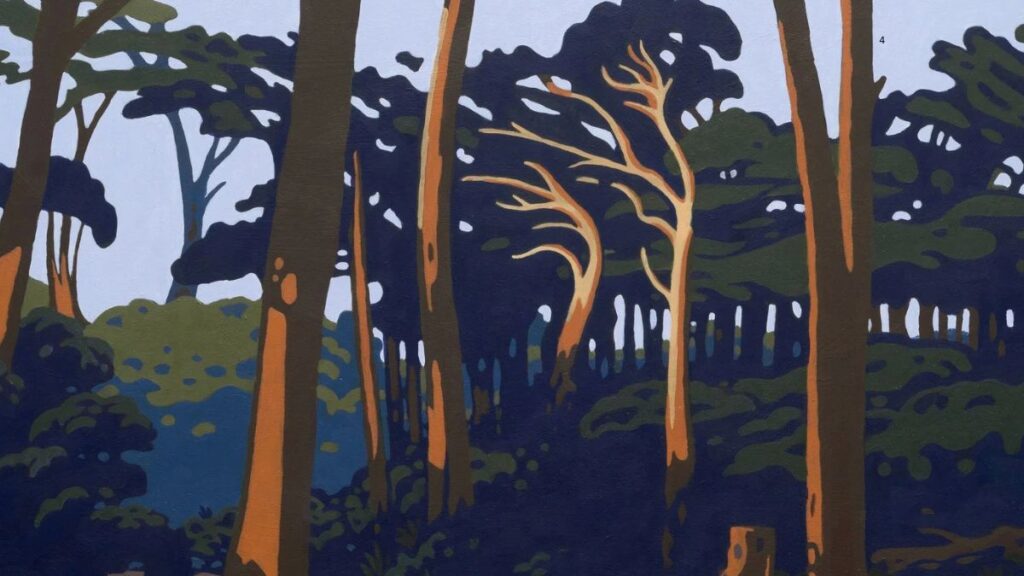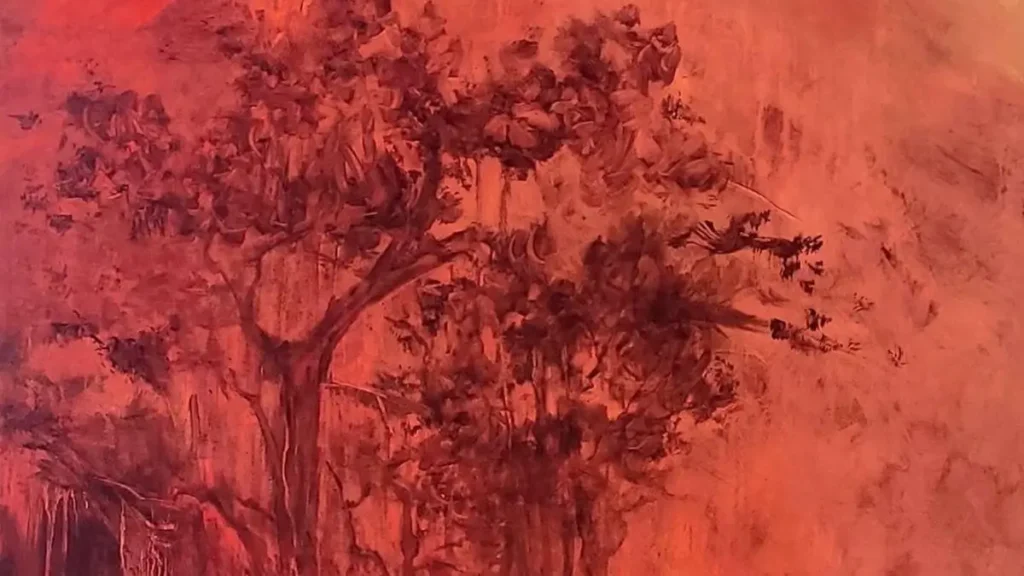

Some exhibitions are best understood from a distance. I Find You All Around Me asks something different: it asks visitors to move through it.
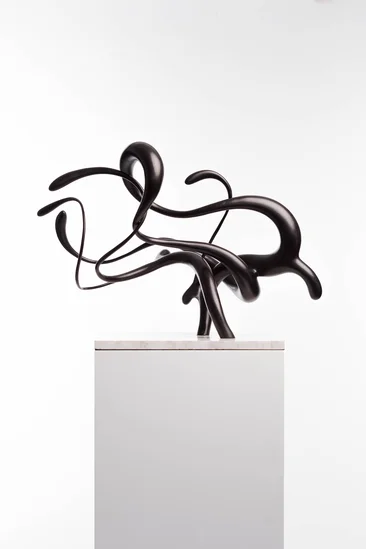
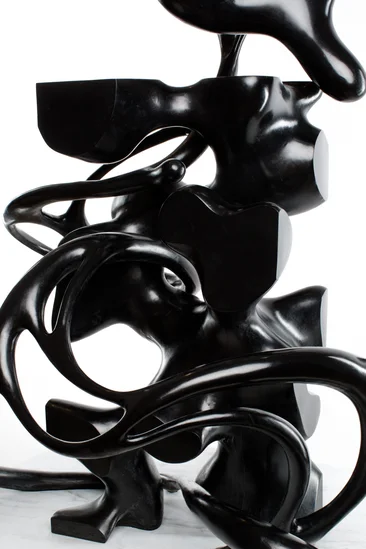
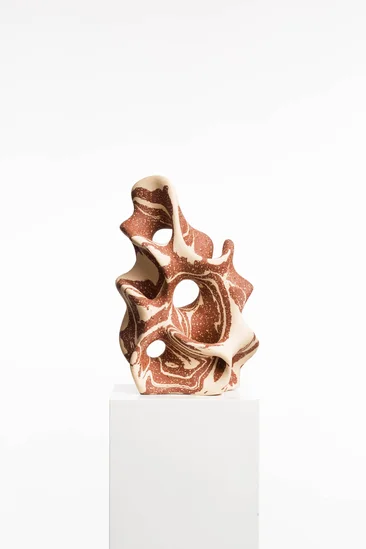
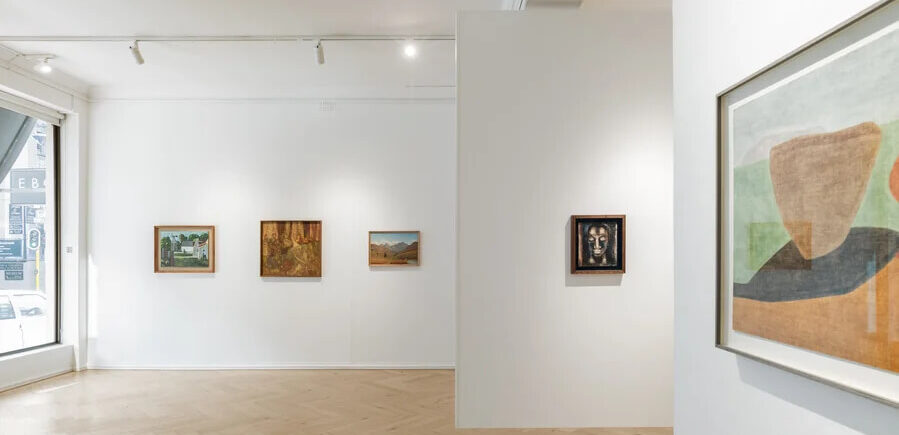
Bringing together the work of South African artists Driaan Claassen and Karla Nixon, the exhibition transforms THK Gallery into a series of interconnected encounters with language, landscape, memory, and emotion. Rather than presenting artworks as separate objects, both artists create environments that reveal themselves gradually as viewers navigate the space.
The exhibition takes its title from a poem by the 12th-century Persian mystic Hakim Sanai, but its concerns feel deeply contemporary. At its heart is an exploration of the things that shape our lives yet often resist definition: relationships, memories, grief, longing, spirituality, and the emotional traces that linger long after a moment has passed.
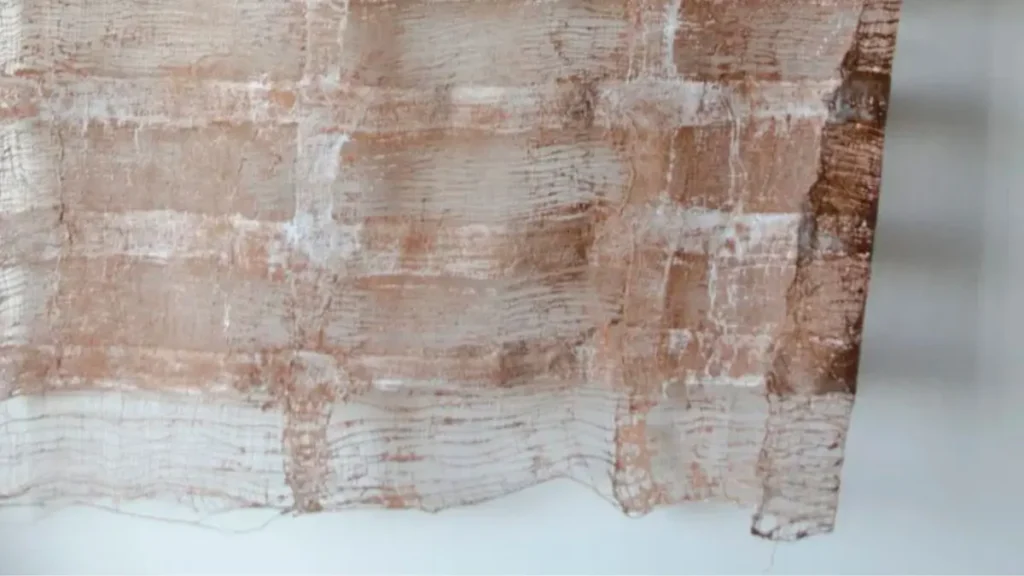
Upon entering the gallery, visitors encounter Driaan Claassen’s sculptural installation, where language becomes something physical rather than simply read. Words and phrases emerge, disappear, and reconfigure themselves depending on where one stands. A sentence that appears clear from one angle dissolves from another. Messages such as “you could lean on me” or “you could love me” feel less like declarations and more like fleeting thoughts encountered in passing.
The work draws on Claassen’s experiences of anxiety and depression, but it avoids direct autobiography. Instead, it creates a shifting psychological landscape where certainty remains just out of reach and meaning is constantly renegotiated through movement and perspective.
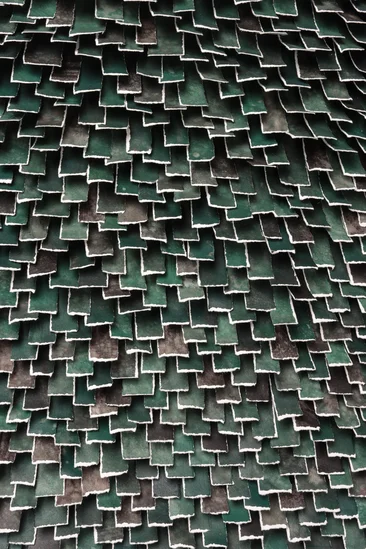
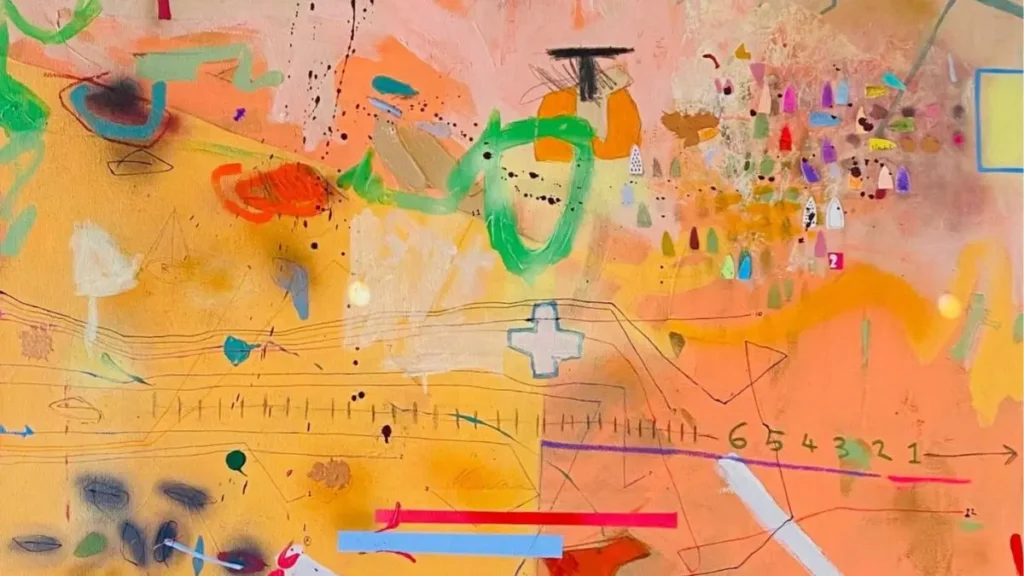
Ascending through the gallery, the atmosphere changes. Karla Nixon’s hand-painted collages spread across the walls in layered arrangements of torn paper, colour, and text. Oceans and watery horizons emerge throughout the installation, initially offering moments of stillness before gradually suggesting something less predictable. The sea becomes both a place and a metaphor: a force capable of comfort, reflection, turbulence, and transformation.
What makes the exhibition particularly effective is the conversation between the two practices. Claassen’s work asks how meaning shifts depending on where we stand, while Nixon’s installations explore how emotional states can ebb and flow like changing tides. Together they create an experience that feels less concerned with delivering a message than with creating a space for reflection.
The “you” of the exhibition’s title remains intentionally unresolved. It may refer to a person, a memory, a loss, nature, faith, or even aspects of ourselves that remain difficult to name. The exhibition never settles on a single answer, and that uncertainty is part of its strength.
Rather than presenting a clear narrative, I Find You All Around Me unfolds slowly. It rewards attention, movement, and openness, offering visitors a space in which the boundaries between the external world and inner experience become surprisingly porous.