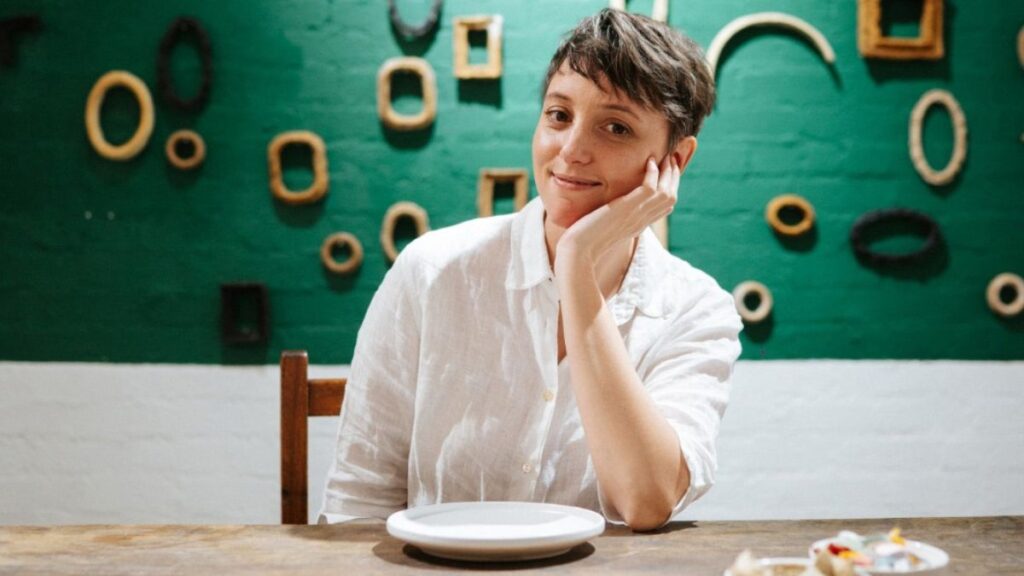
Relationships rarely unfold according to plan. We misunderstand each other, overthink conversations, hold grudges longer than we should, and occasionally make spectacular mistakes. Janine Glanz in her debut solo exhibition at WORLDART, turns these familiar experiences into paintings that are both funny and surprisingly tender.
Presented from 4 June to 25 June 2026, Let’s Make Mistakes Tonight And Go For Therapy Tomorrow introduces a new body of work by the Cape Town-based painter, whose expressive acrylic paintings sit somewhere between personal reflection and visual comedy.
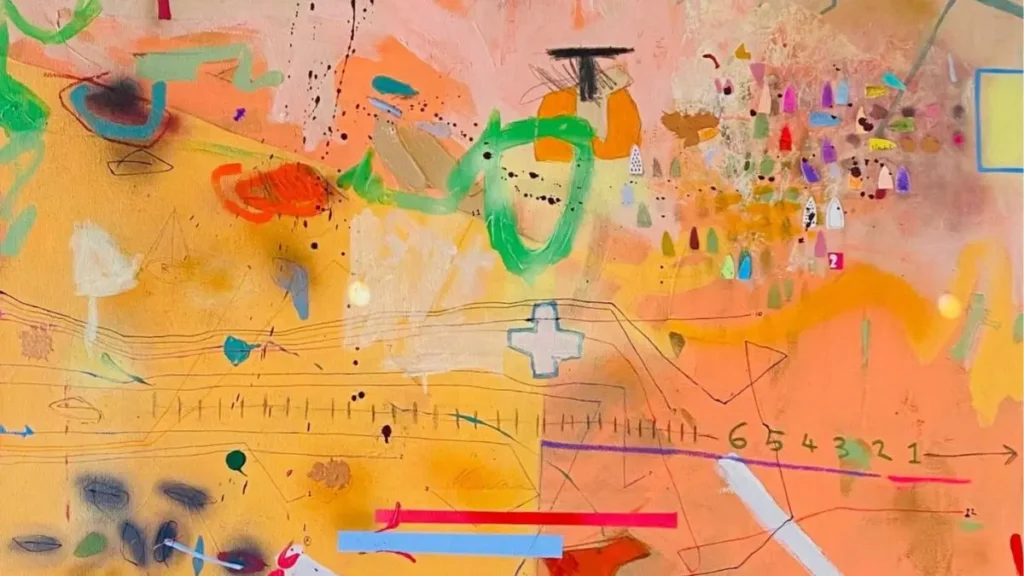
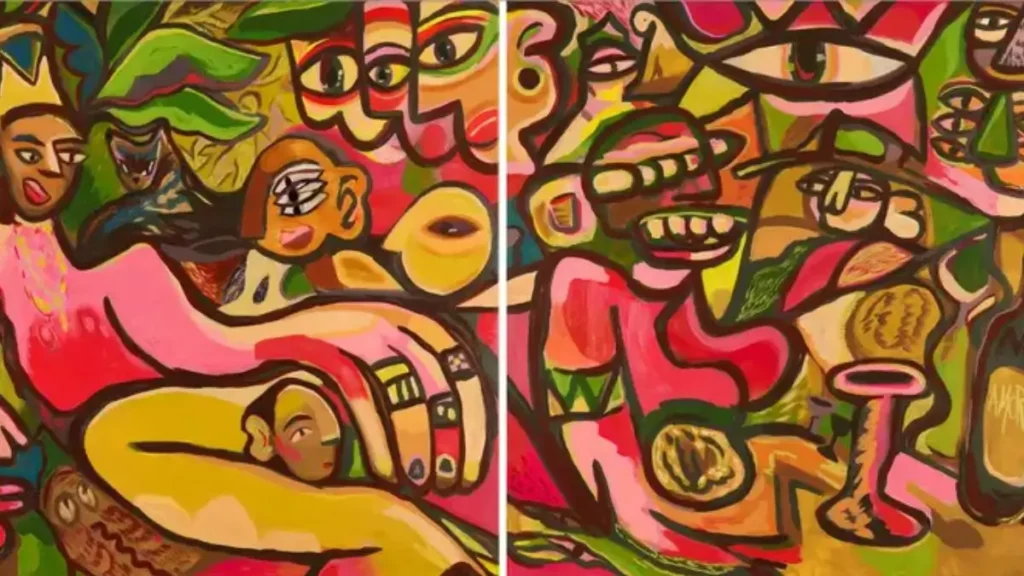
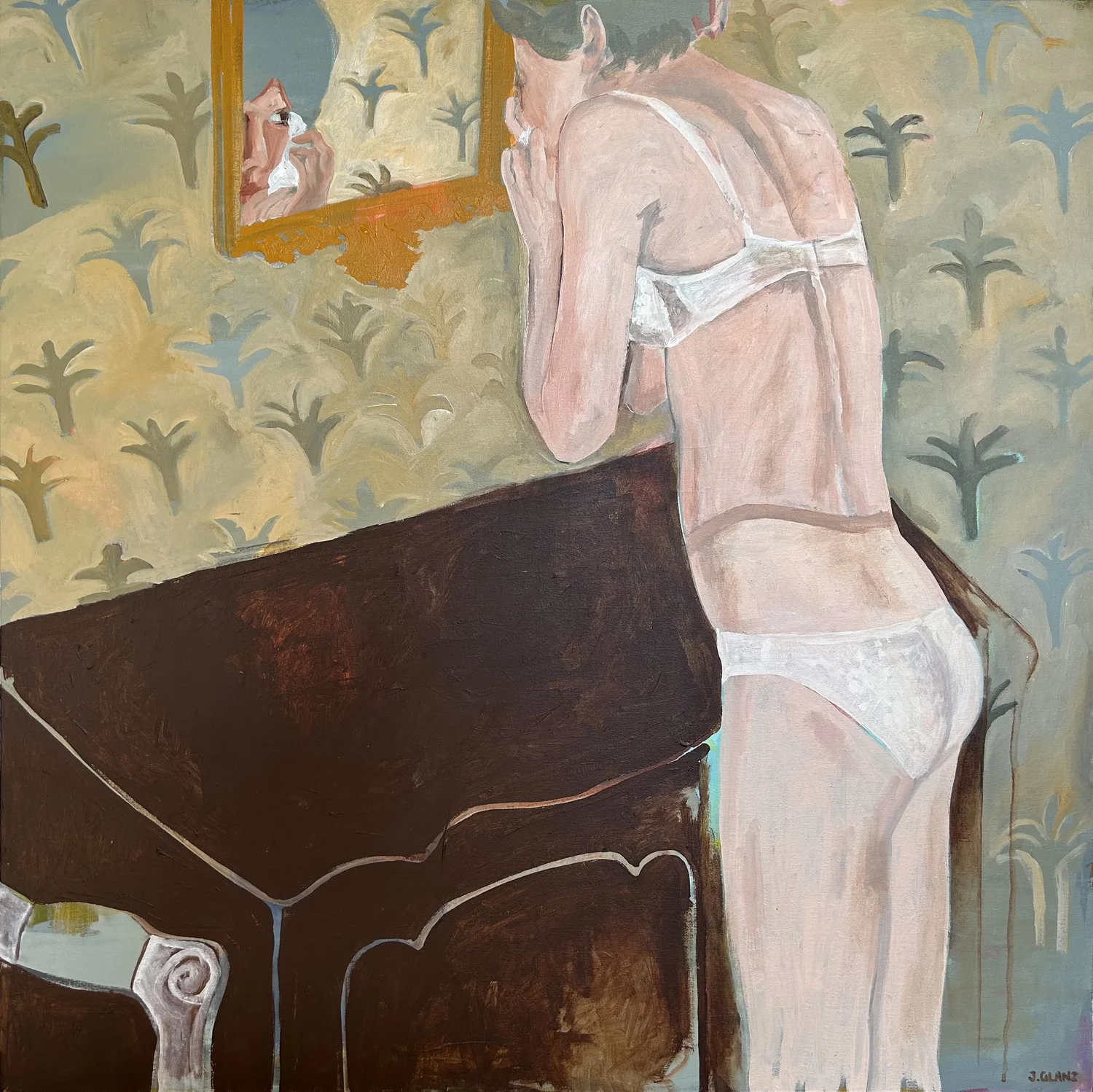
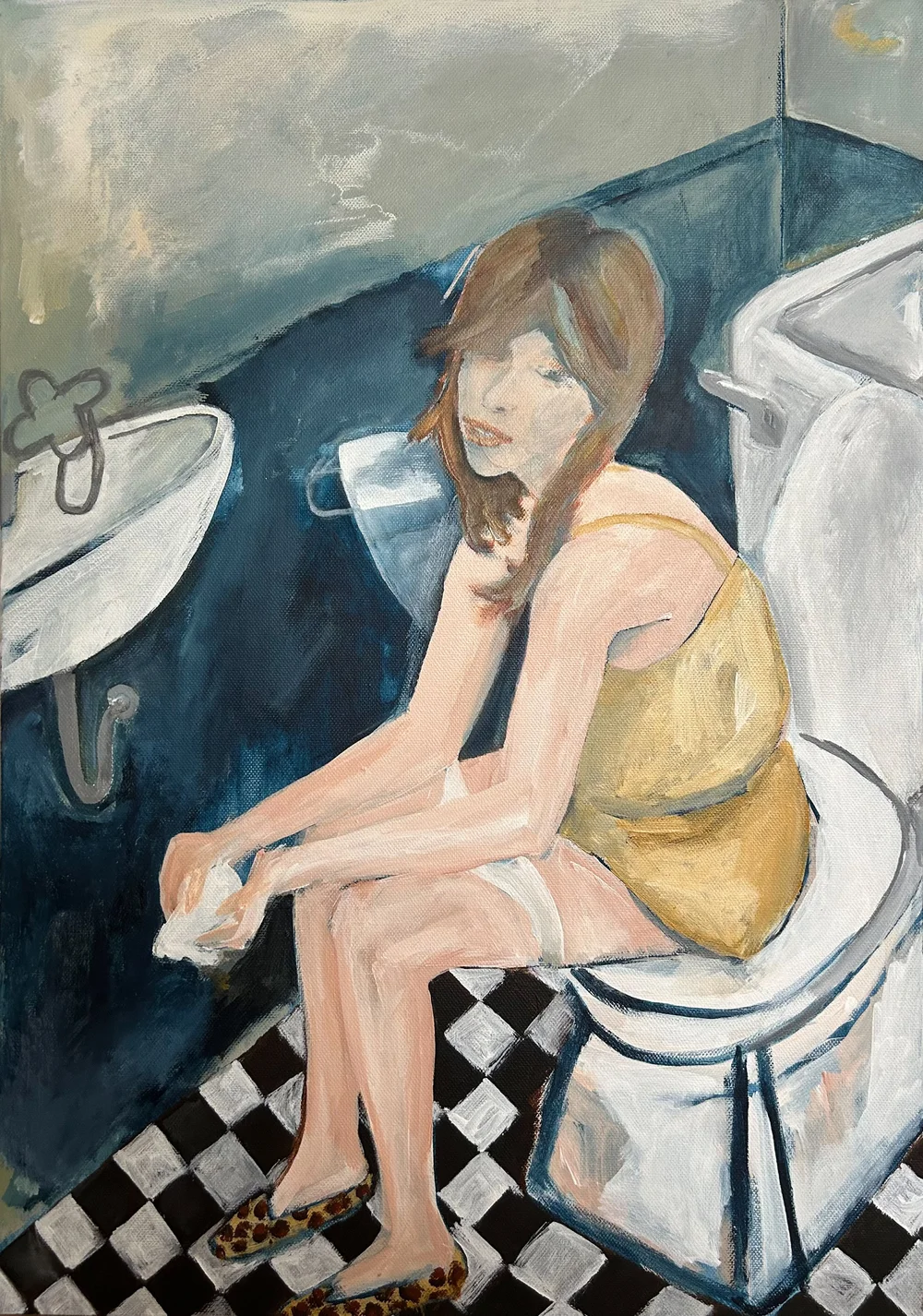
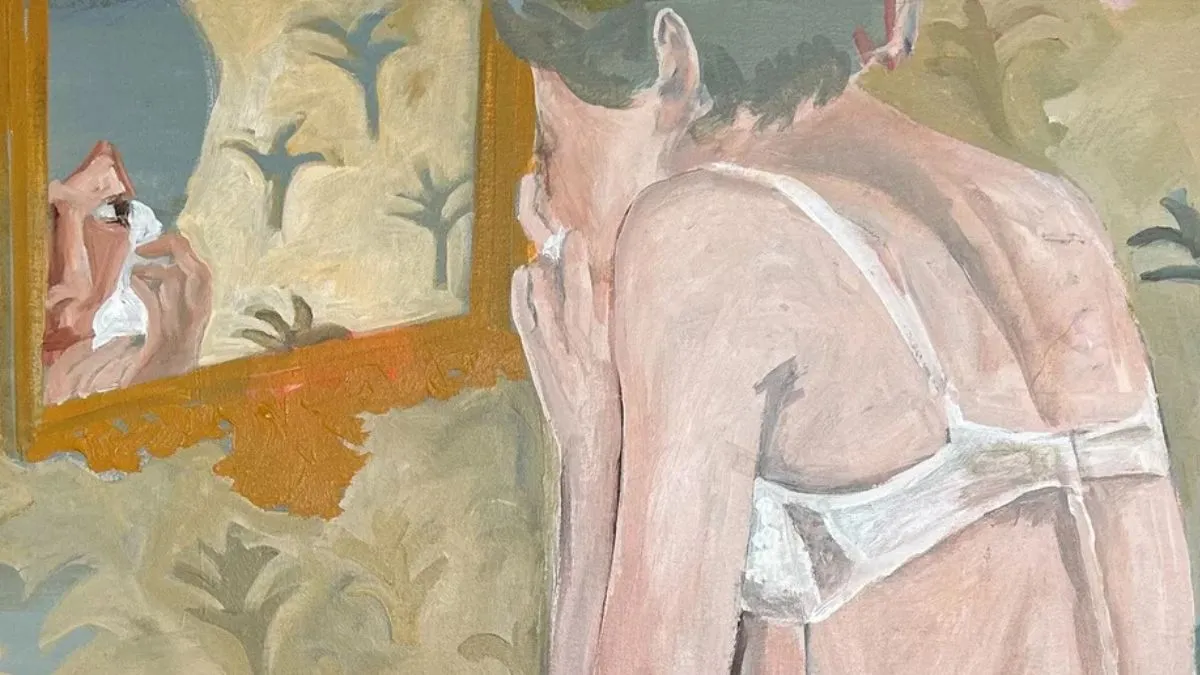
Glanz populates her canvases with a cast of simplified, almost cartoon-like characters navigating the awkward realities of being human. They argue, embrace, withdraw, reconnect and stumble their way through relationships. Rendered in bold colour and loose brushwork, the figures feel intentionally imperfect, allowing emotion rather than realism to take centre stage.
What makes the work particularly engaging is its ability to balance humour with vulnerability. Beneath the playful surfaces are recognisable experiences of self-doubt, affection, disappointment and hope. Glanz approaches these moments without judgement, finding warmth and humour in the fact that most of us are simply trying our best while figuring things out as we go.
Her interest in memory can be traced back to childhood, where she grew up surrounded by her father’s vast collection of slide photographs documenting everyday life. That archive continues to influence her practice today. The paintings feel like fragments of remembered conversations, emotional snapshots that capture the small dramas and quiet absurdities that shape our lives.
In 2025, Glanz was selected as one of ten artists for WORLDART10, the gallery’s annual platform highlighting emerging contemporary talent. This debut solo exhibition marks an important step in her development, presenting a body of work that feels confident, personal and refreshingly honest.
There is something immediately relatable about Glanz’s paintings. They do not offer solutions to the complexities of relationships, nor do they attempt to tidy up life’s messier emotions. Instead, they embrace imperfection, suggesting that our flaws, misunderstandings and awkward moments may be the very things that connect us most.
For visitors looking for contemporary art that combines humour, self-awareness and emotional honesty, Let’s Make Mistakes Tonight And Go For Therapy Tomorrow offers an engaging introduction to a promising new voice in South African painting.