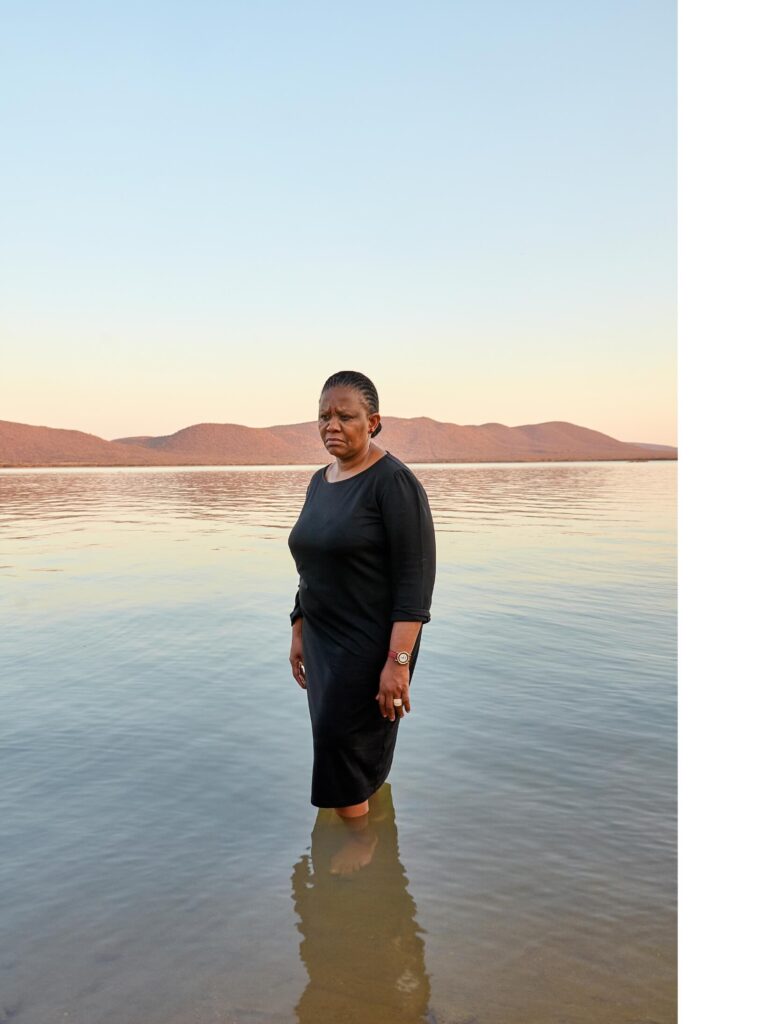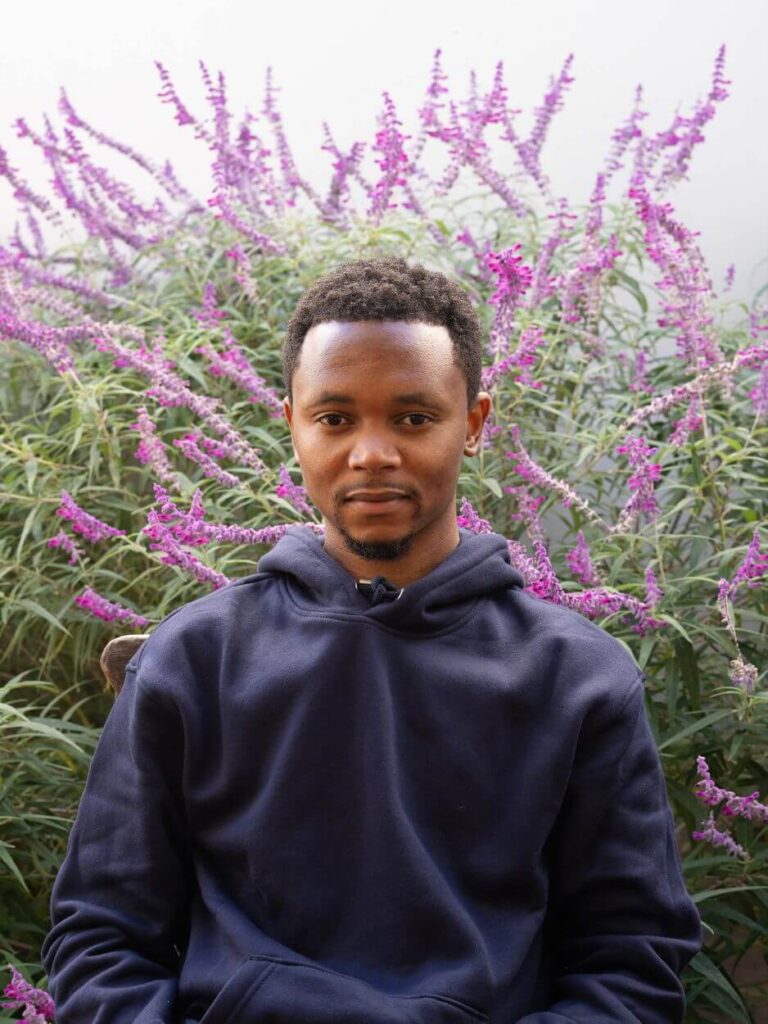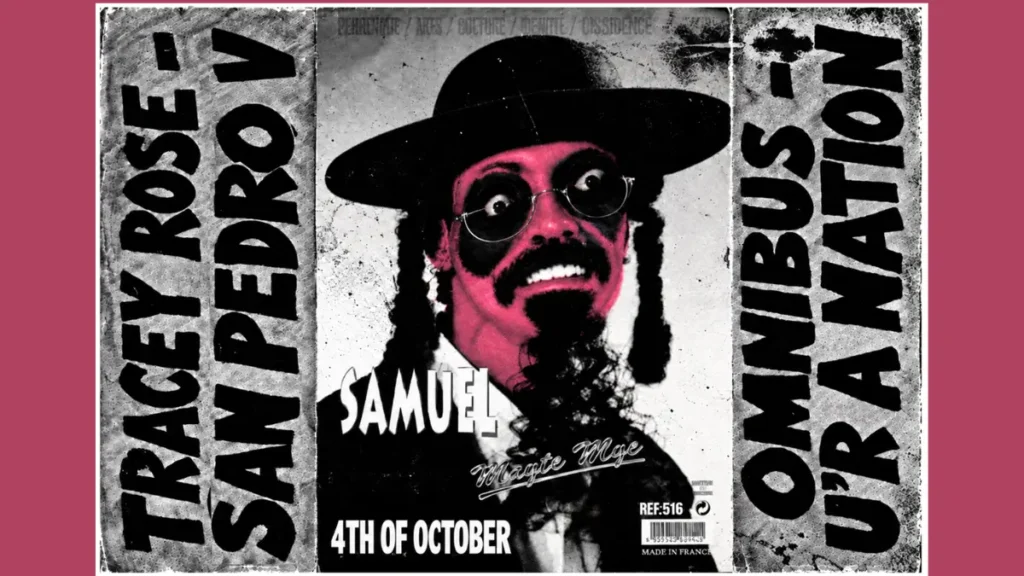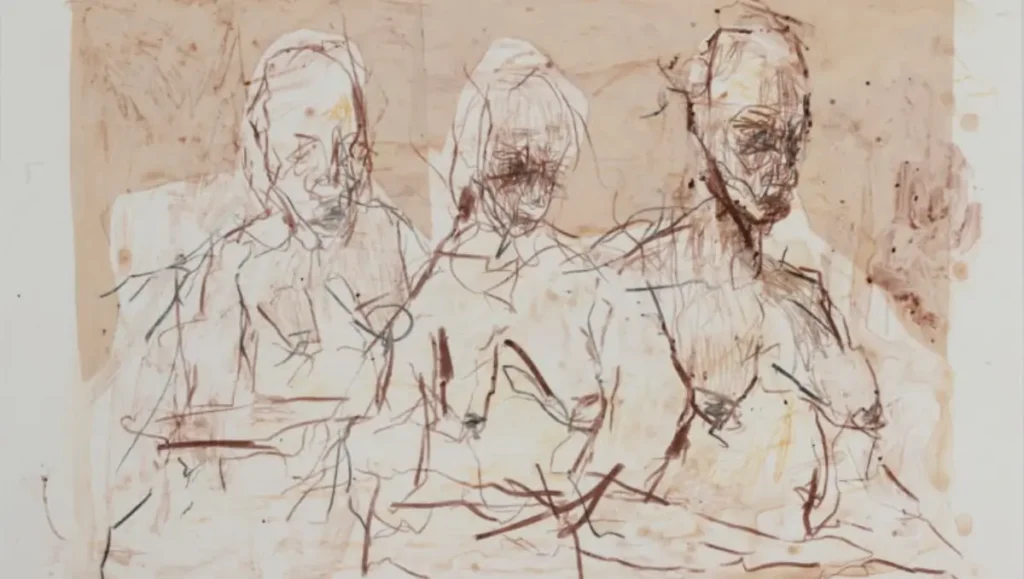
History is often told through major events and political change. In We Didn’t Choose to Be Born Here, Botswana-born artist Thero Makepe looks instead at what history means within a family, using photographs, personal archives and reconstructed scenes to trace experiences that move between Botswana and South Africa.
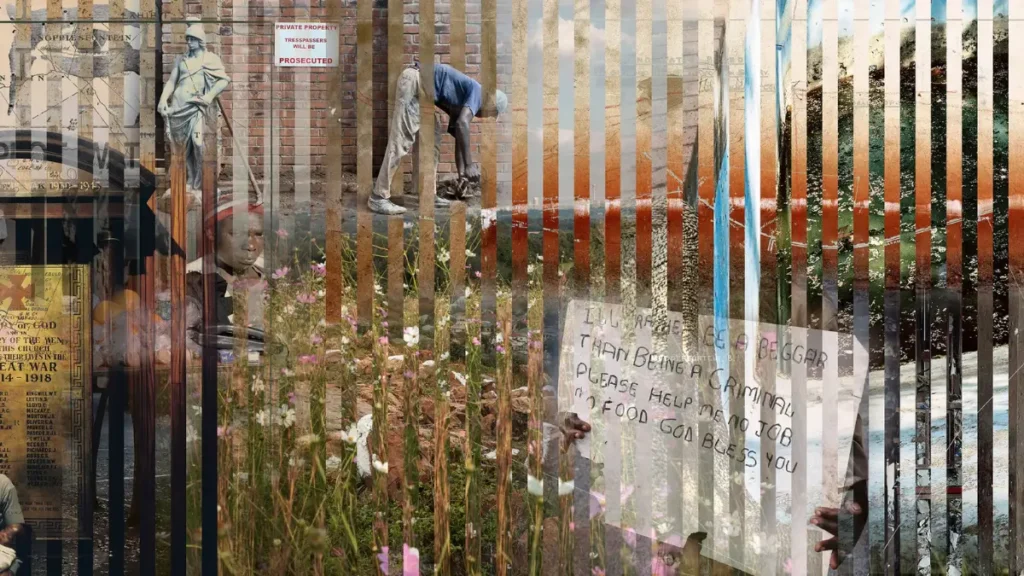
Presented at the Javett Art Centre at the University of Pretoria, the exhibition draws closely on Makepe’s own family history. Across generations, members of his family were shaped by migration, separation and political activism during apartheid. One branch sought refuge in Botswana, while another remained involved in the struggle in South Africa. Makepe works with these histories through family photographs, archival material and staged portraits, connecting events that were political in scale but deeply personal in their consequences.
The exhibition does not follow a straightforward timeline. Documentary photographs appear alongside family archives and images that Makepe has carefully constructed himself. This movement between what was recorded at the time and what has been revisited later shows how family history is remembered, retold and understood differently from one generation to the next.
The title, We Didn’t Choose to Be Born Here, comes from a phrase that repeatedly surfaced in conversations within Makepe’s family. It points to the circumstances people inherit – where they are born, the political conditions they enter and the histories already attached to their families – while asking what later generations make of those circumstances.
Makepe also draws on his own experience of the #FeesMustFall movement while studying at the University of Cape Town. Rather than treating this as a repetition of an earlier political struggle, he places his generation’s experience alongside that of his family, looking at how activism, political change and questions of belonging continue to take different forms.
At the centre of the exhibition are the people themselves. Photographs and shared stories record families separated by borders and politics, but they also show the relationships that continued across those divisions.
As the first institutional presentation of this ongoing body of work, We Didn’t Choose to Be Born Here makes a larger history tangible through one family’s experience. Makepe shows how apartheid, migration and political activism entered everyday family life, and how photographs and stories continue to carry those experiences long after the circumstances around them have changed.