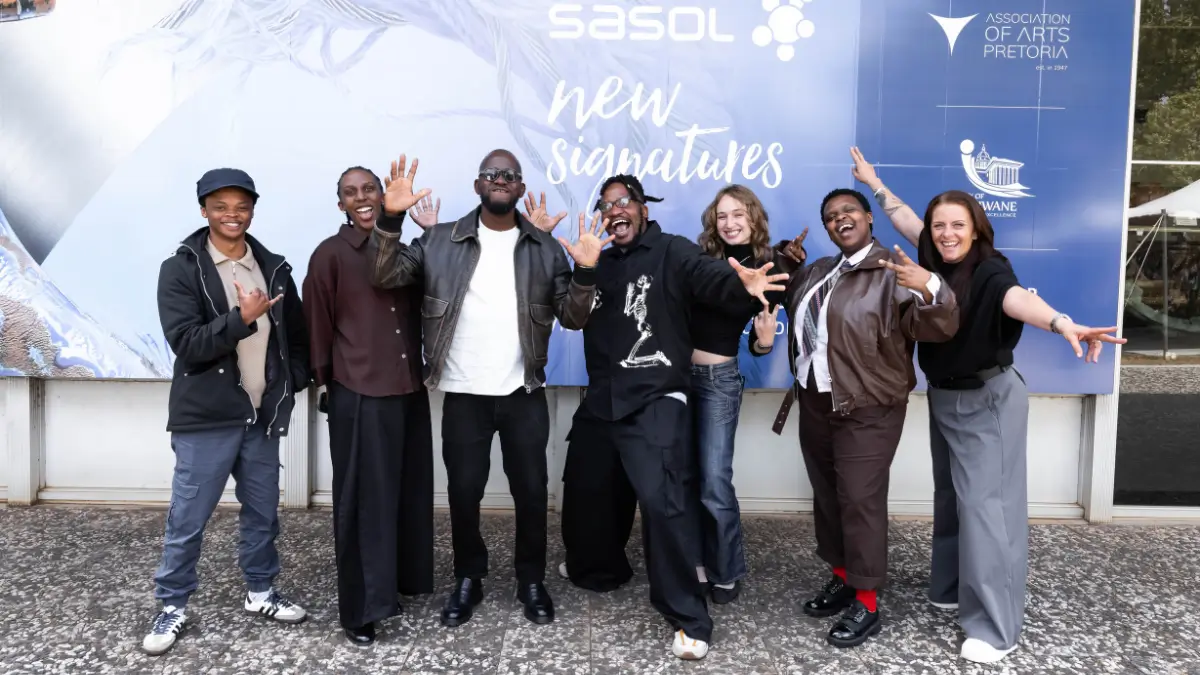
The 2026 Sasol New Signatures exhibition brings together 123 works selected from 938 submissions, spanning sculpture, painting, photography and mixed media.
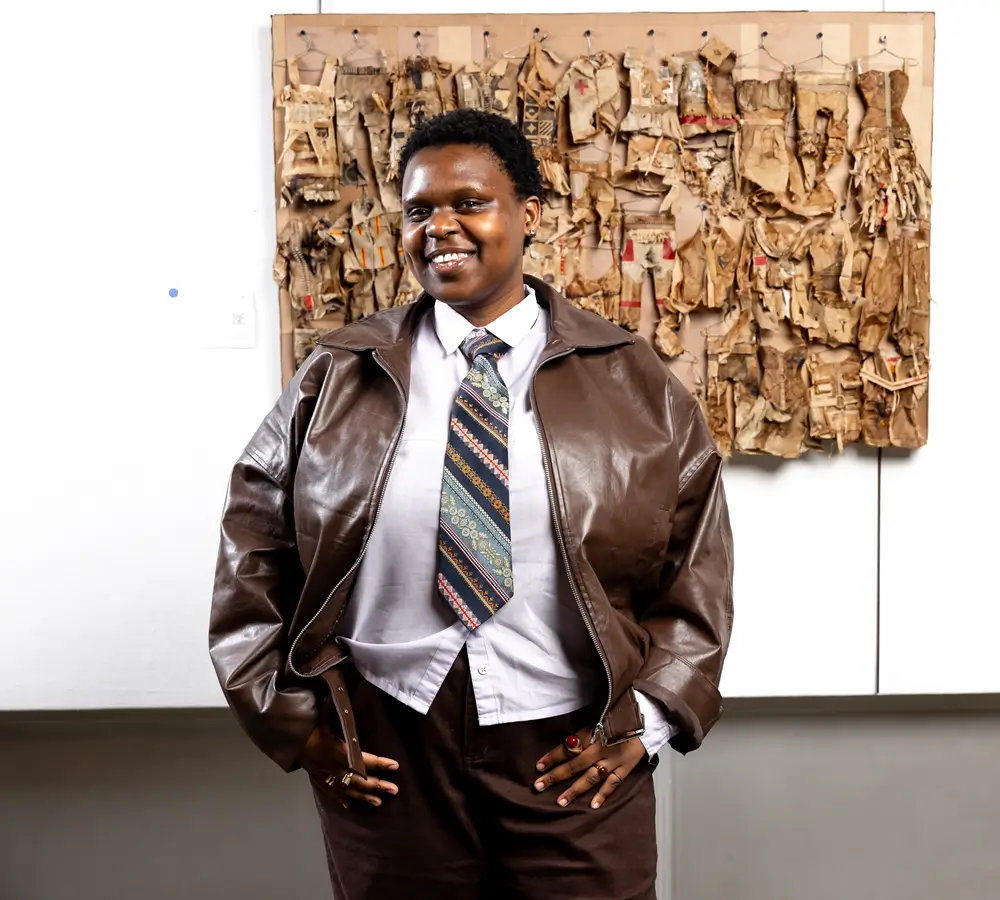
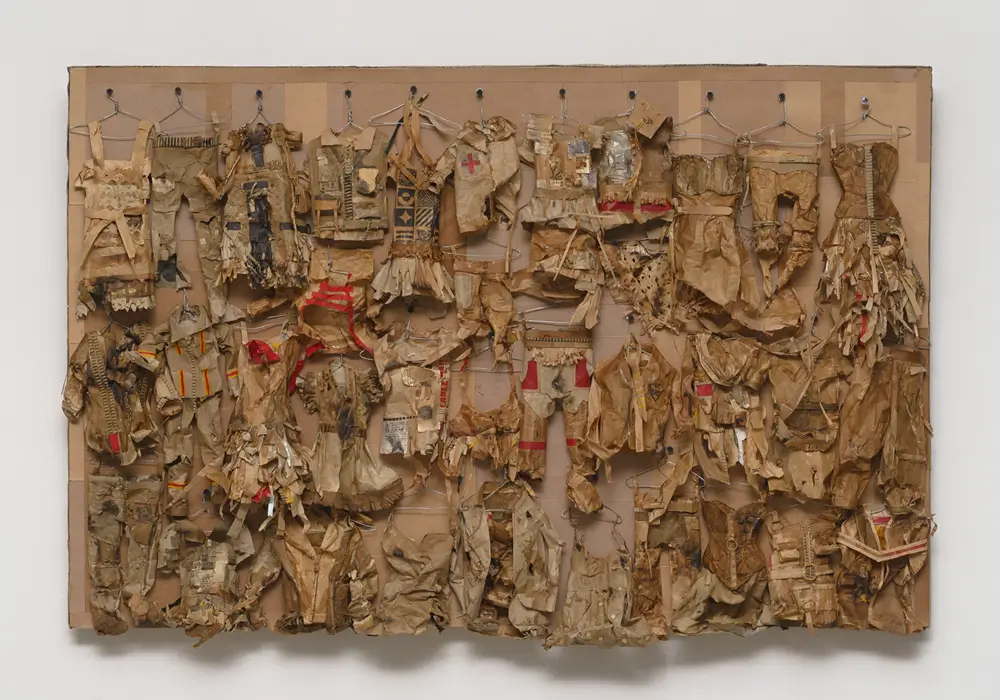
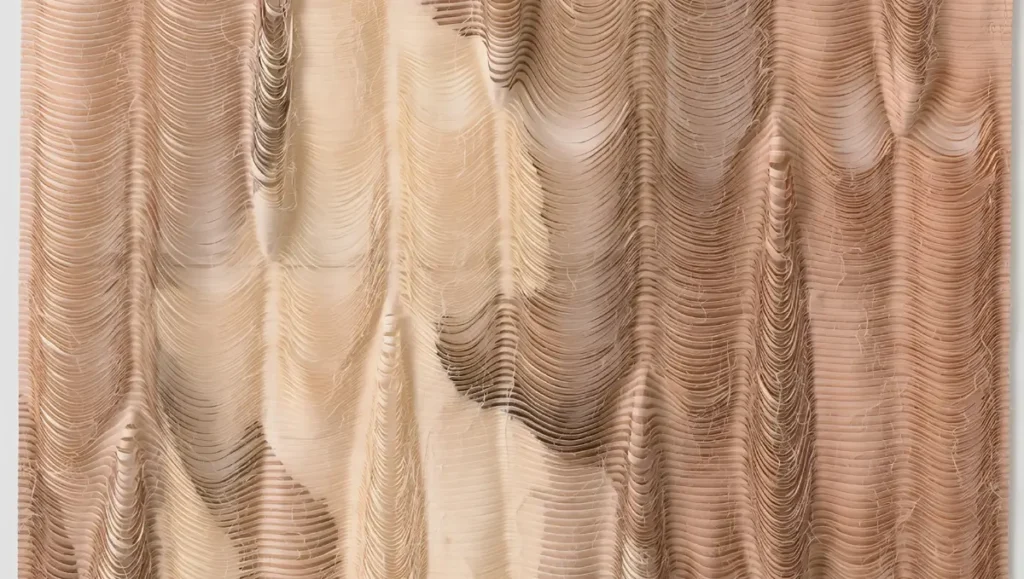
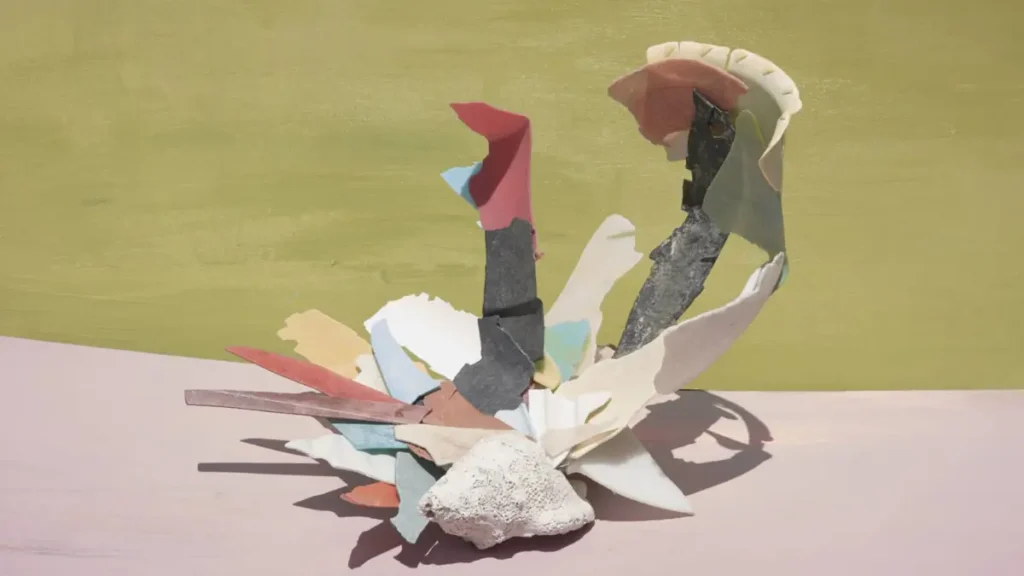
At the centre is overall winner Sphumelele Zondi, whose installation The Laundry of a Nation uses miniature garments made from paper and cardboard to consider what one generation inherits from another.
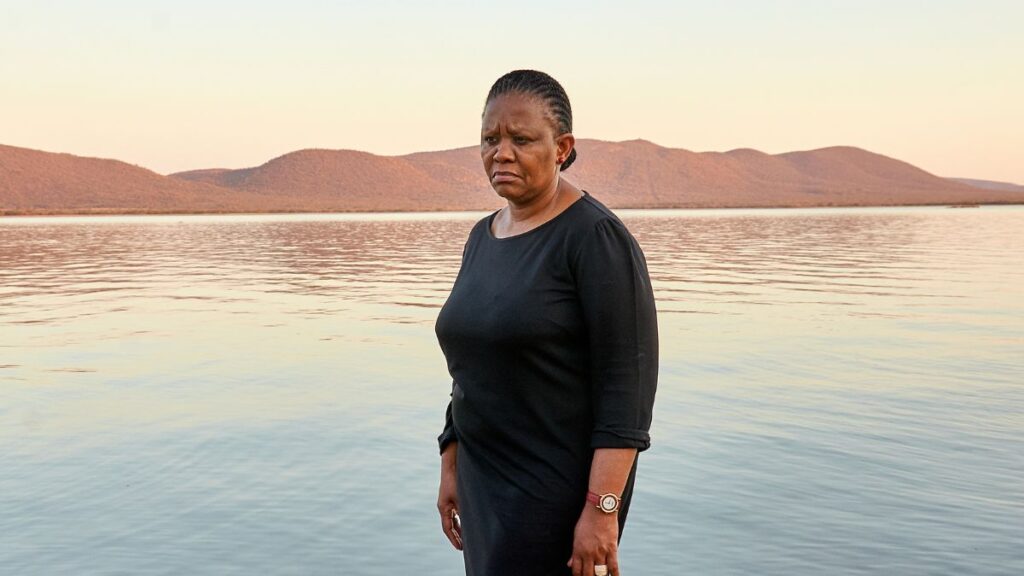
Zondi, a Johannesburg-based artist from rural KwaZulu-Natal, receives R100,000 and will present a solo exhibition at Pretoria Art Museum in 2027. This was her first time entering the competition.
Her work begins with clothing, but not as fashion or costume. Tiny jackets, dresses and other garments appear without bodies, carrying traces of labour, care, expectation and absence. Zondi describes clothing as both “witness and archive”, something that can absorb the histories of the people who wear it.
The installation also considers Bazothini? – the pressure of what others might say, think or expect. For Zondi, that social weight becomes part of the inheritance carried by younger South Africans alongside family histories, cultural expectations and the promises of the country they have grown up in.
Sive Ntombana: Memory, belief and healing
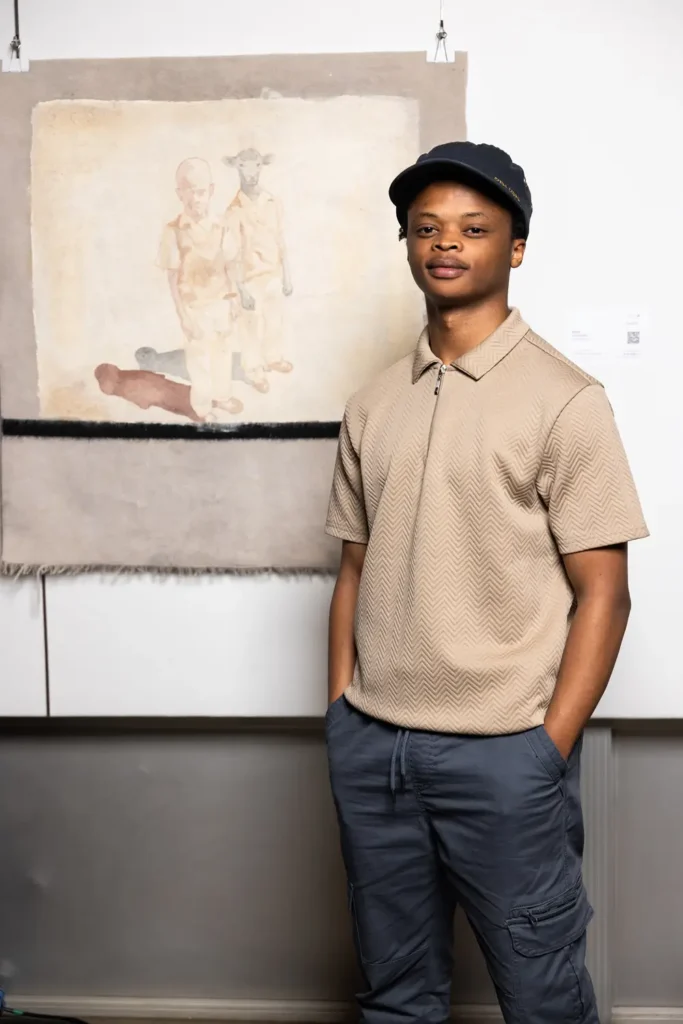
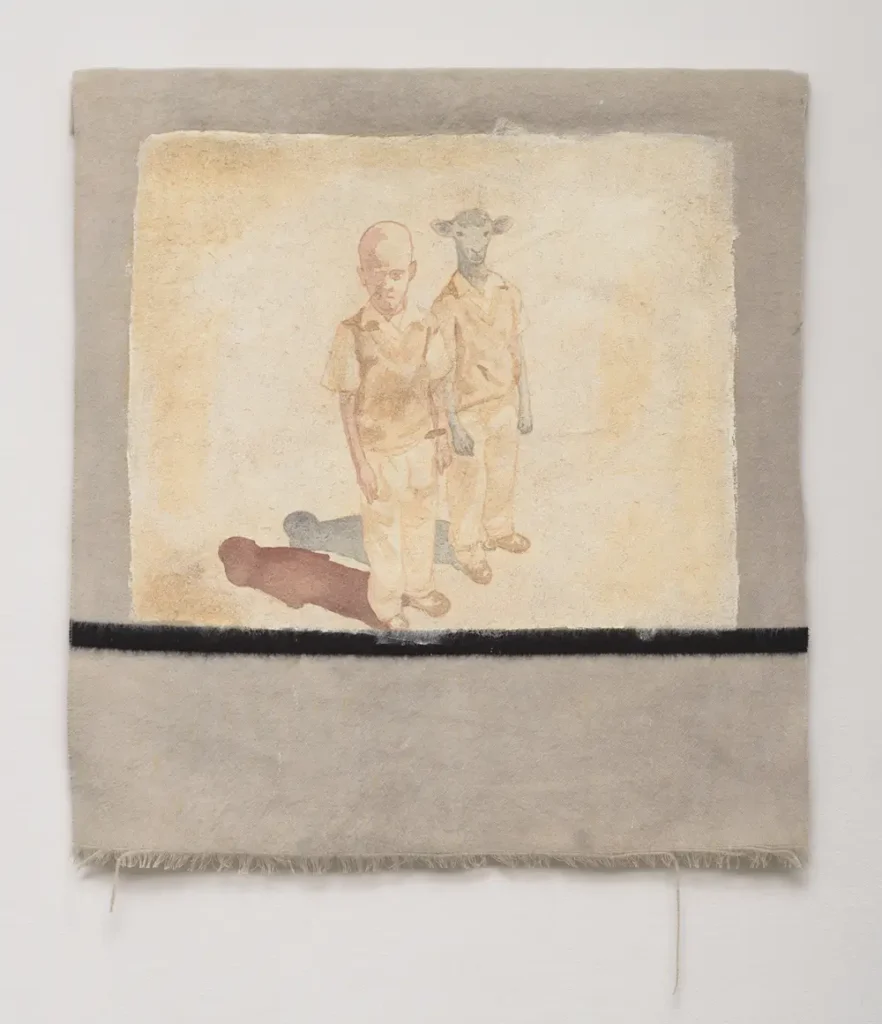
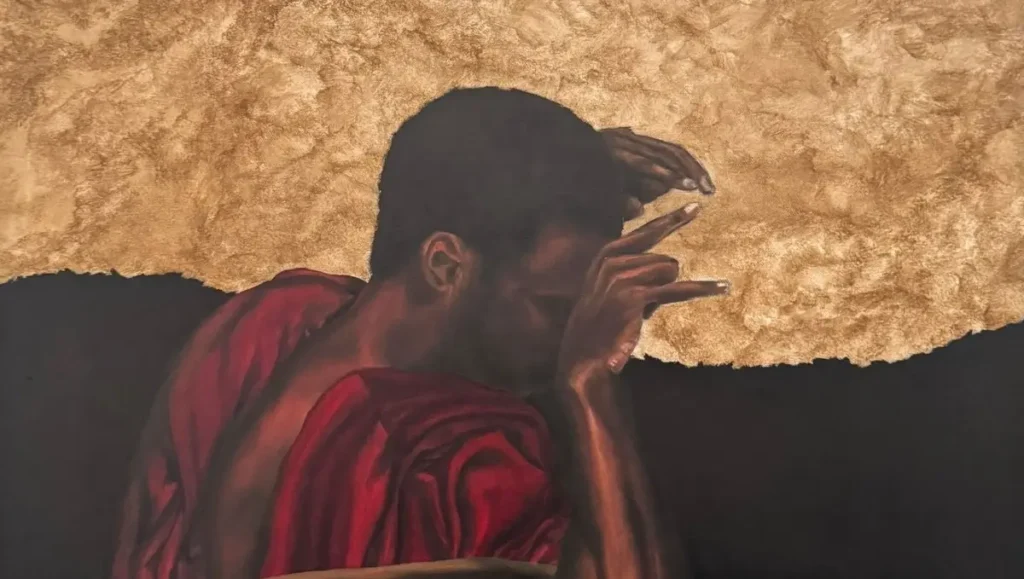
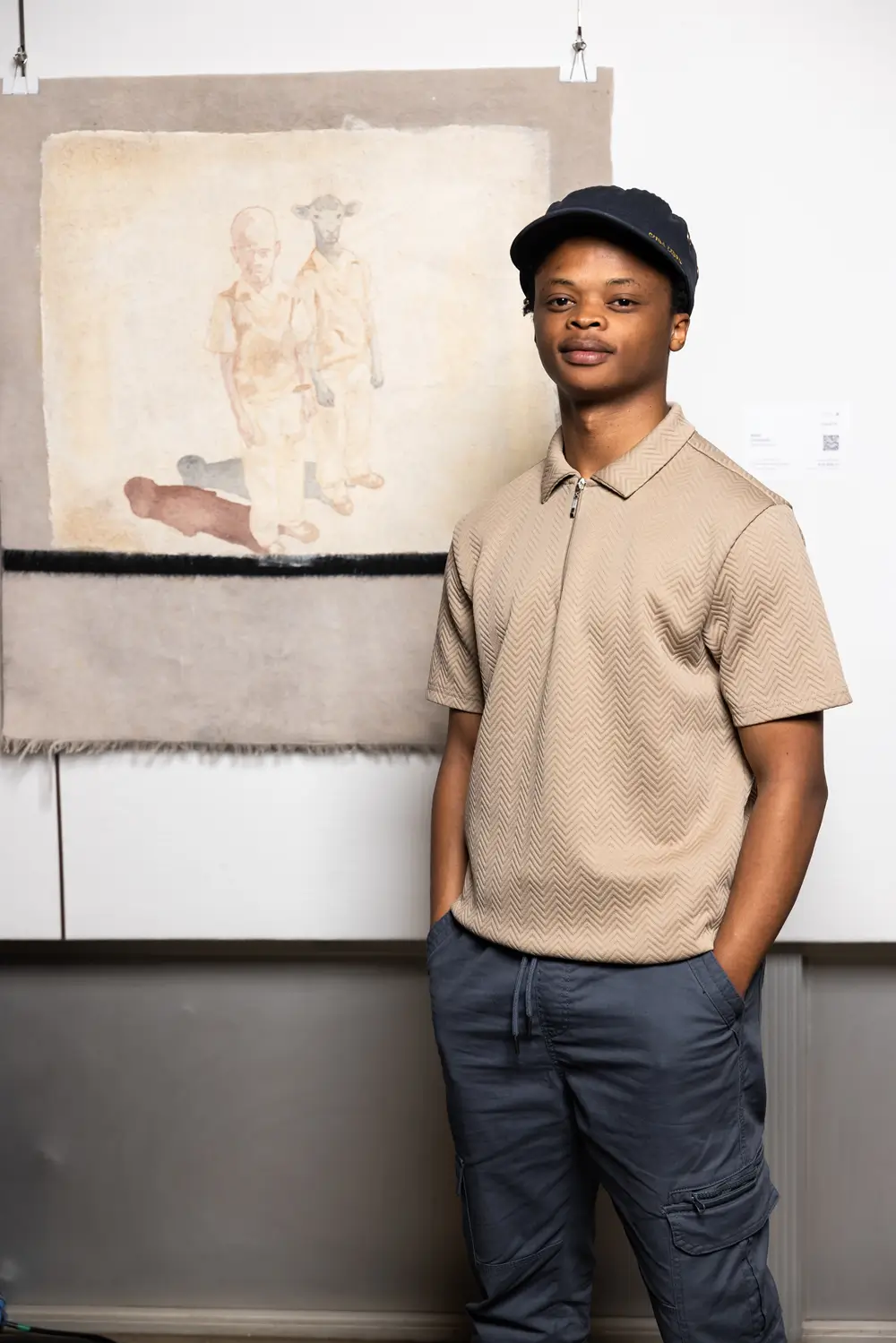
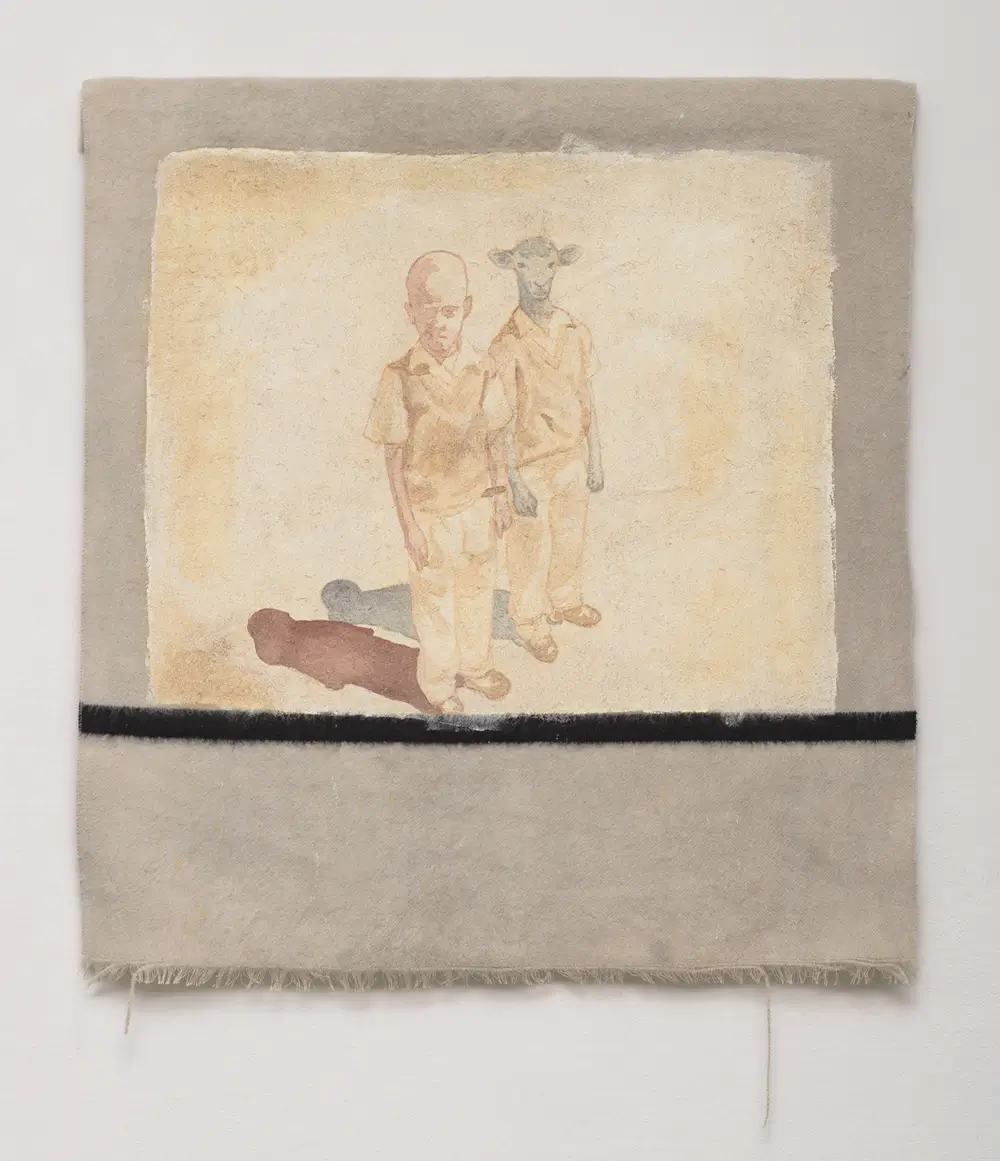
Runner-up Sive Ntombana receives R25,000 for Umlandeli (2025), a work rooted in Xhosa folklore, Indigenous knowledge and his upbringing in the Eastern Cape.
Ntombana paints on ingcawe, a traditional Xhosa blanket, using naturally collected ochres and drawing on ukusula, a mural-painting practice associated with the rural Mpondo region.
The blanket arrives with its own cultural meaning before Ntombana begins to alter it. Through painting and cutting, he uses that familiar object to think about trauma, belief and the ways cultural knowledge can shape how difficult experiences are understood.
Hybrid figures introduce another layer, moving between the familiar and the supernatural without settling into one interpretation. Ntombana’s interest lies in how making itself can become a way of thinking through healing.
Five Merit Awards
The five Merit Award winners, each receiving R10,000, move across very different materials and subjects, from family memory and cultural tradition to corruption, self-perception and gender-based violence.
Inga Lokwe: Tradition in another form
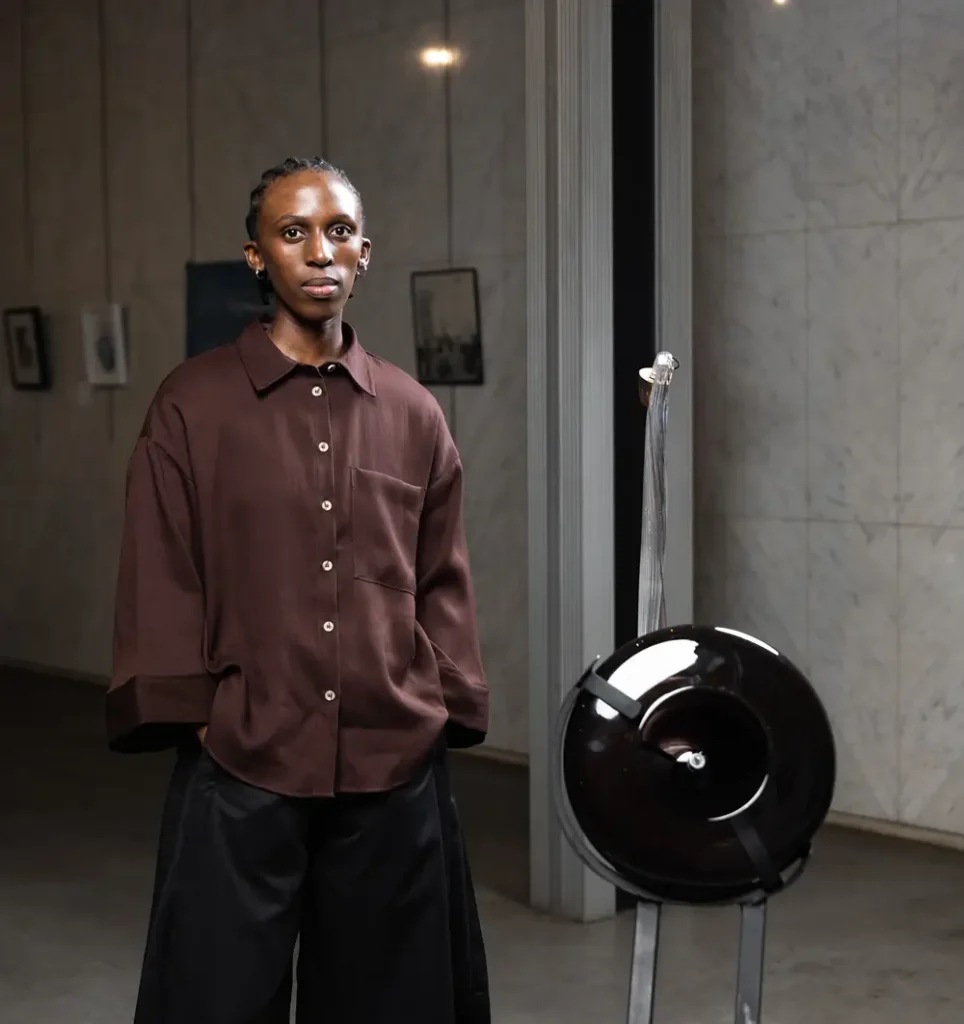
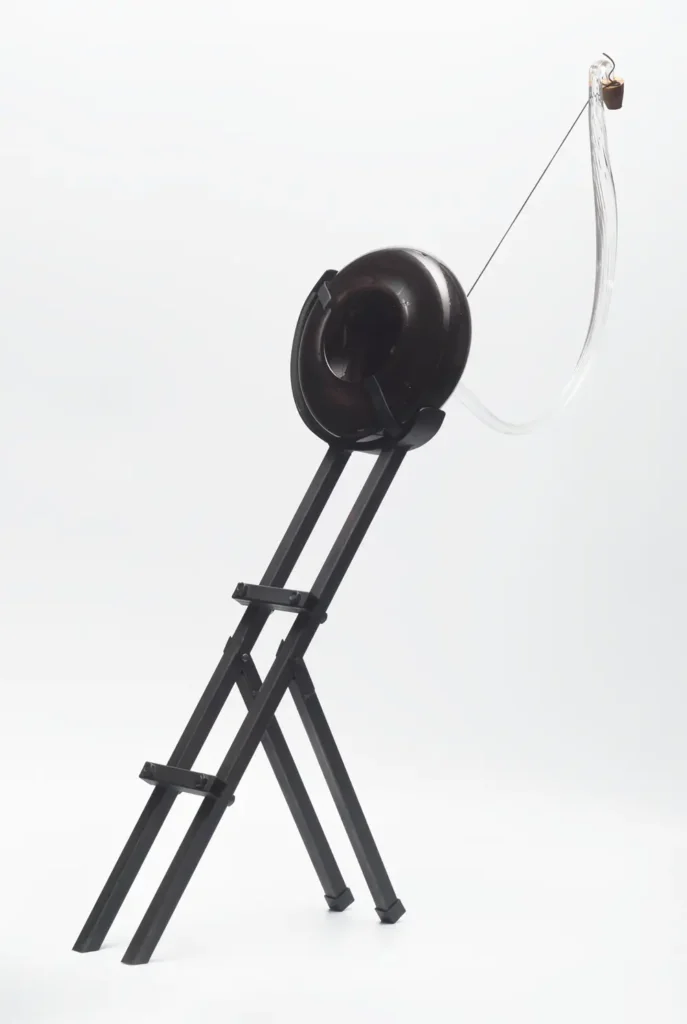
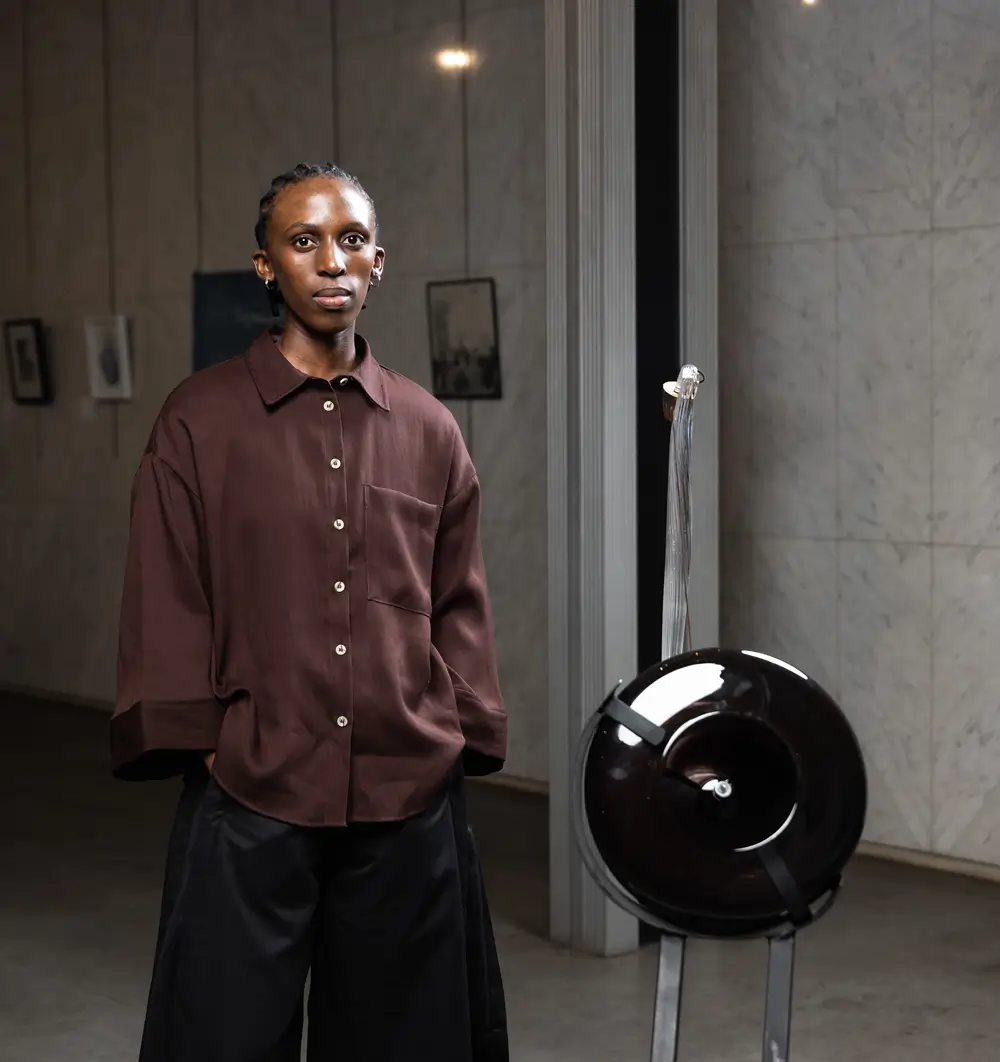
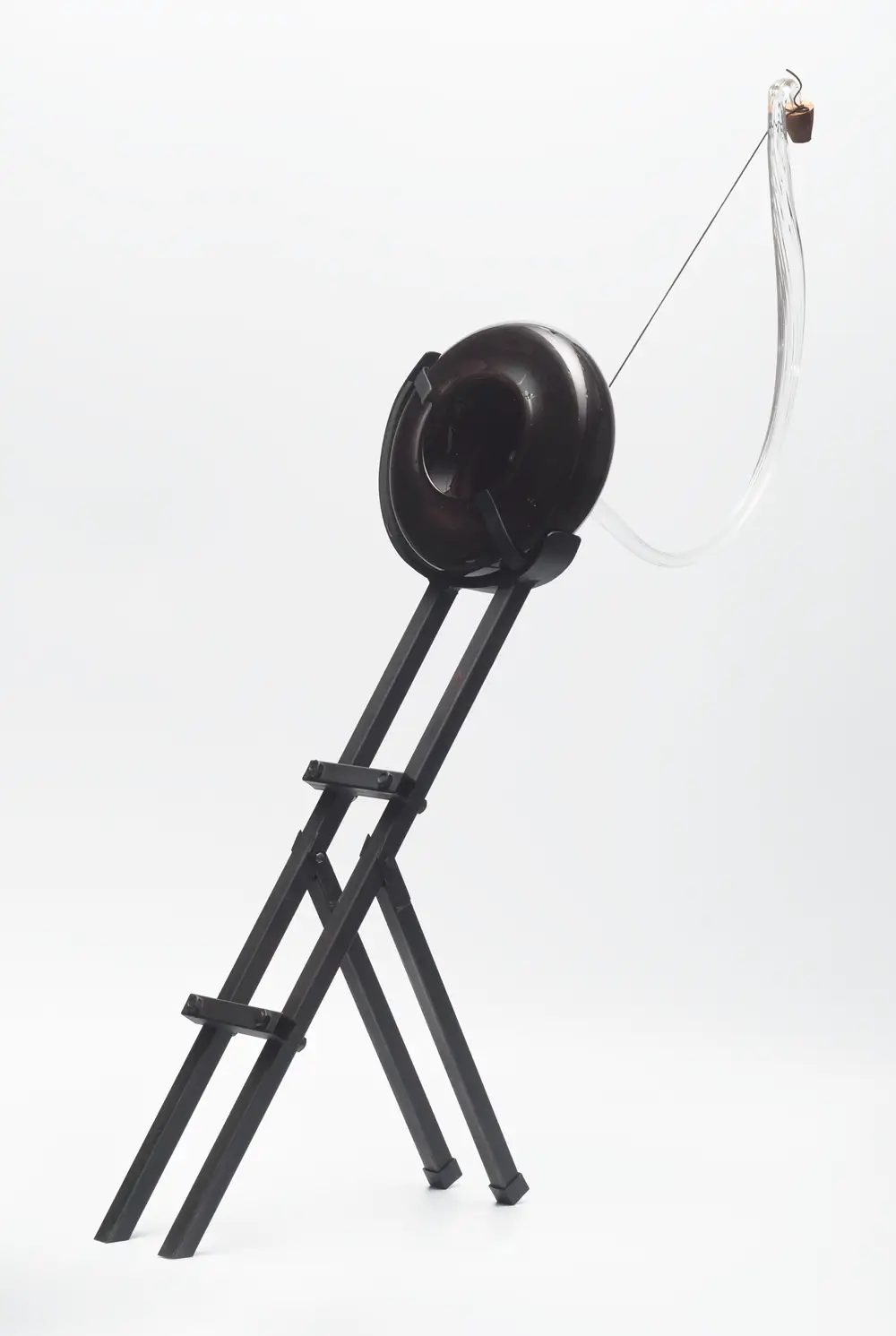
Pretoria-based glass artist Inga Lokwe looks to memories of growing up in the Eastern Cape for Qula kwedini (2025).
As a child, she herded cattle, goats and horses with her grandfather, who called her kwedini, a term generally used for a boy. That memory became a way of thinking about gender, family and who is allowed to occupy particular cultural roles.
Lokwe recreates the uhadi, a traditional Xhosa musical bow, in glass. The instrument carries its own history and associations, which she reworks through a material that can appear both delicate and resilient.
As a queer African woman, Lokwe uses the work to ask how cultural traditions might be inhabited differently without being discarded.
Wisani Manyisi: A landscape of absence
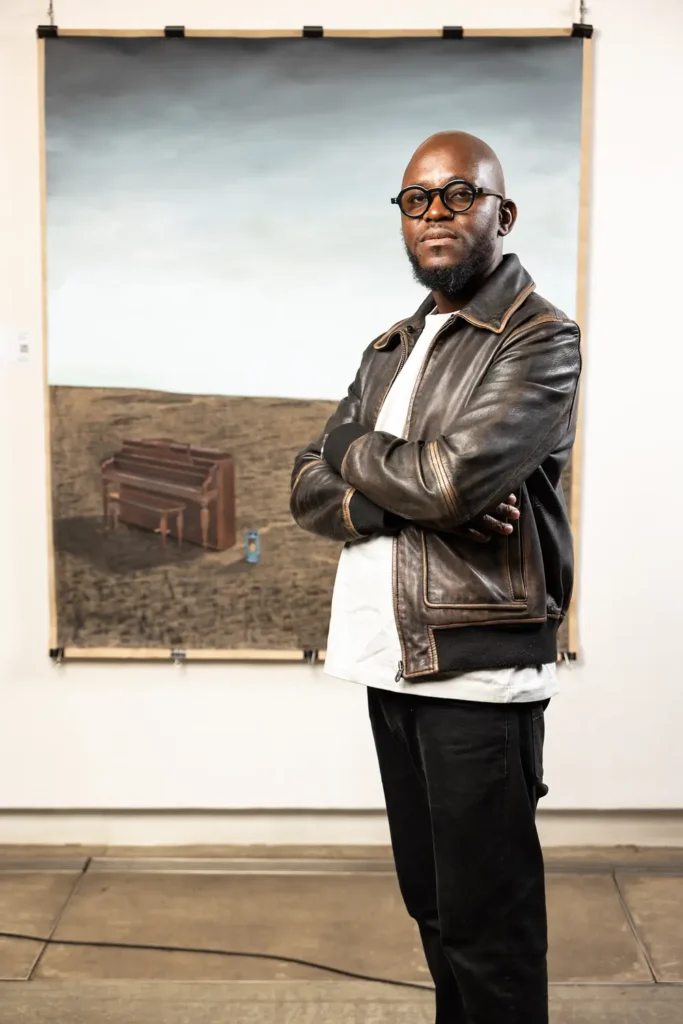
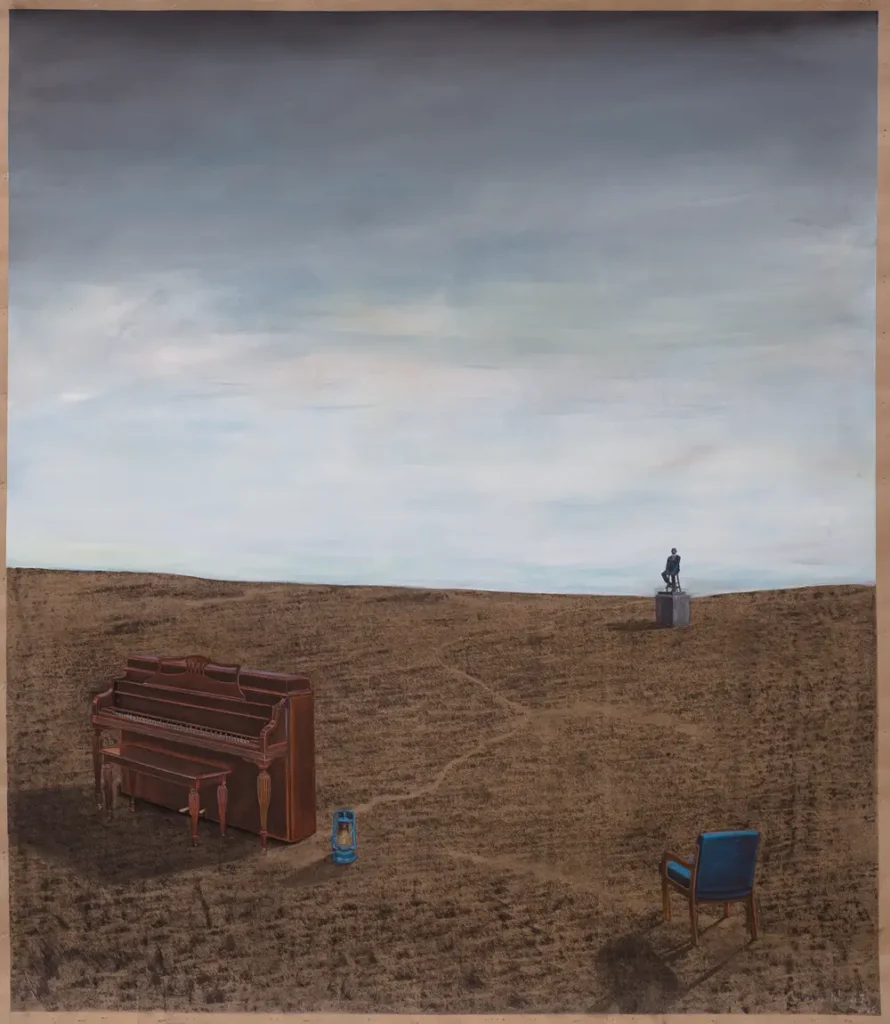
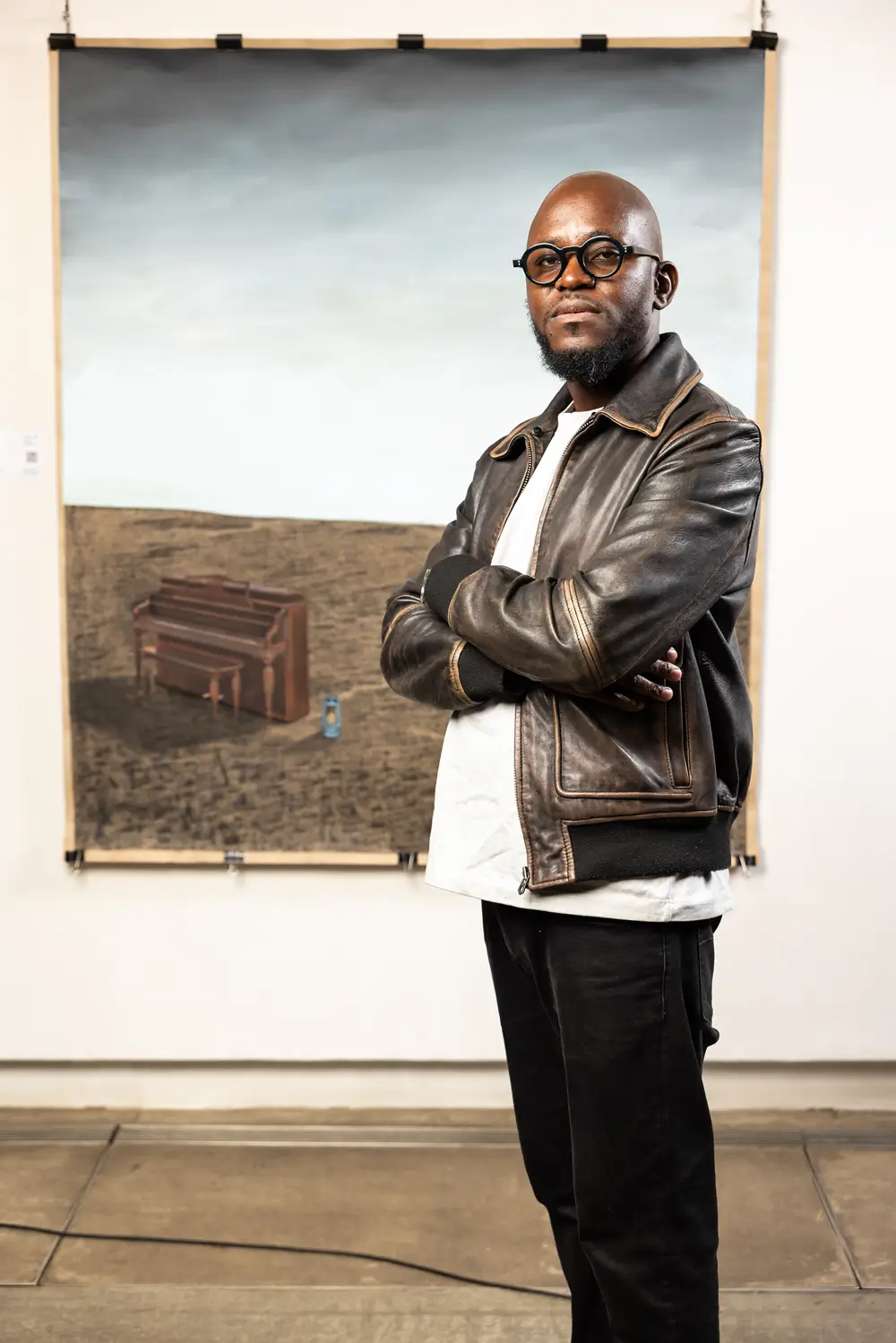
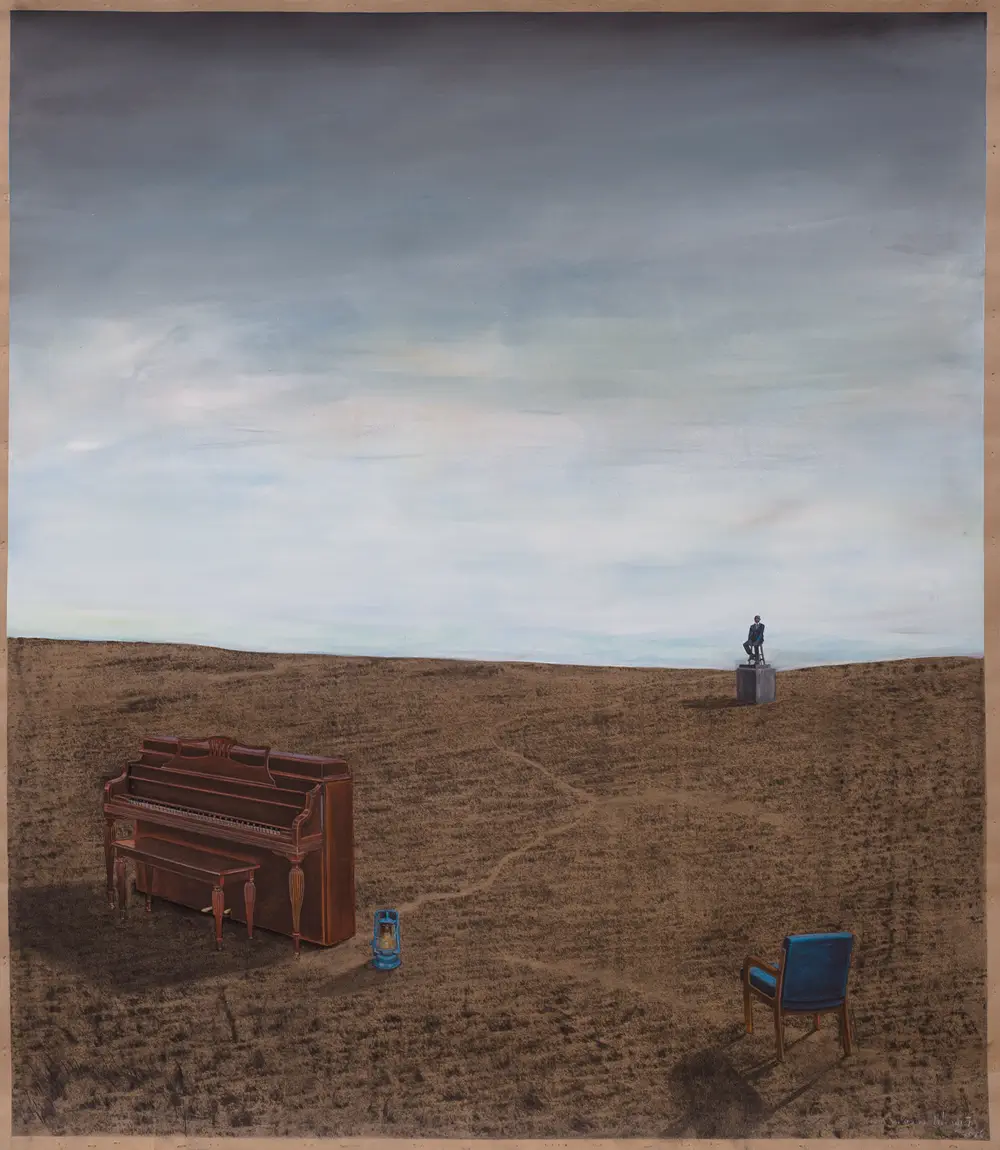
For Wisani Manyisi, Dance of Memory (2026) begins with his family’s experience of displacement during the war in Mozambique.
An empty piano and armchair sit in an open field. No people are present, but the scene is shaped by their absence. A small blue lantern appears nearby, introducing the possibility of return, guidance or remembrance.
Manyisi has entered Sasol New Signatures seven times and reached the final exhibition for four consecutive years before receiving a Merit Award in 2026. Alongside his work as a schoolteacher, he has continued developing his practice through each entry.
Charlie de Bruto: Satire and authority
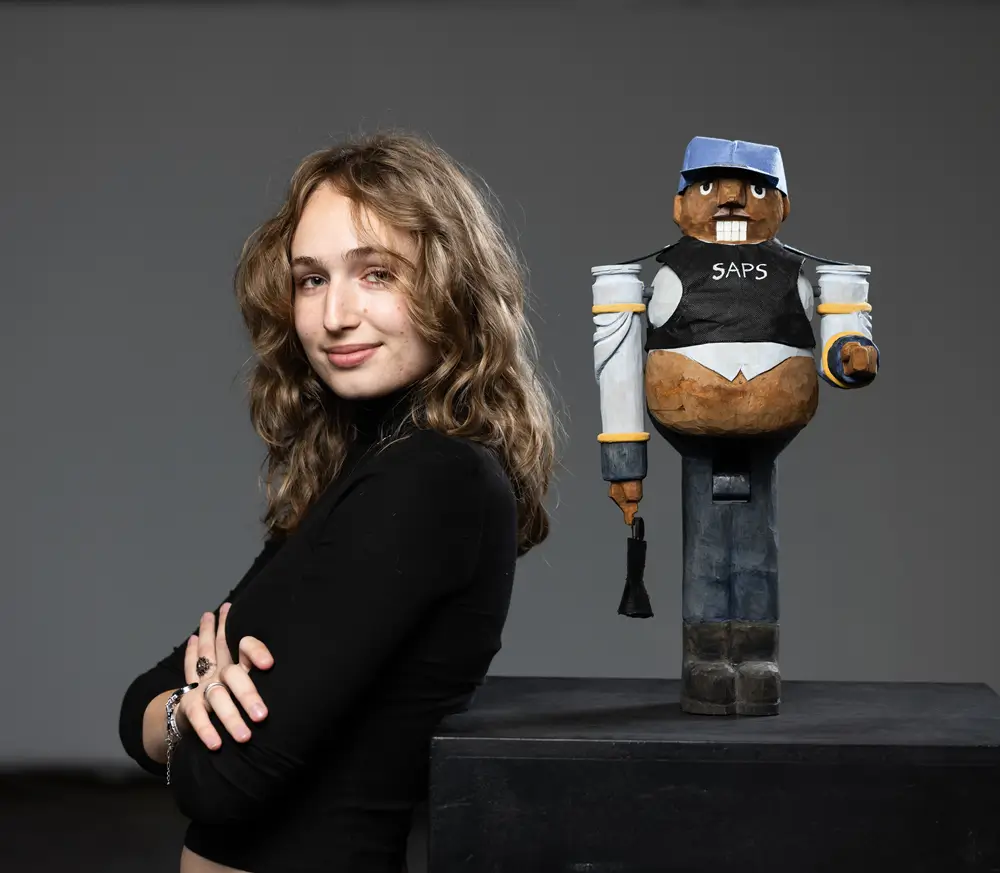
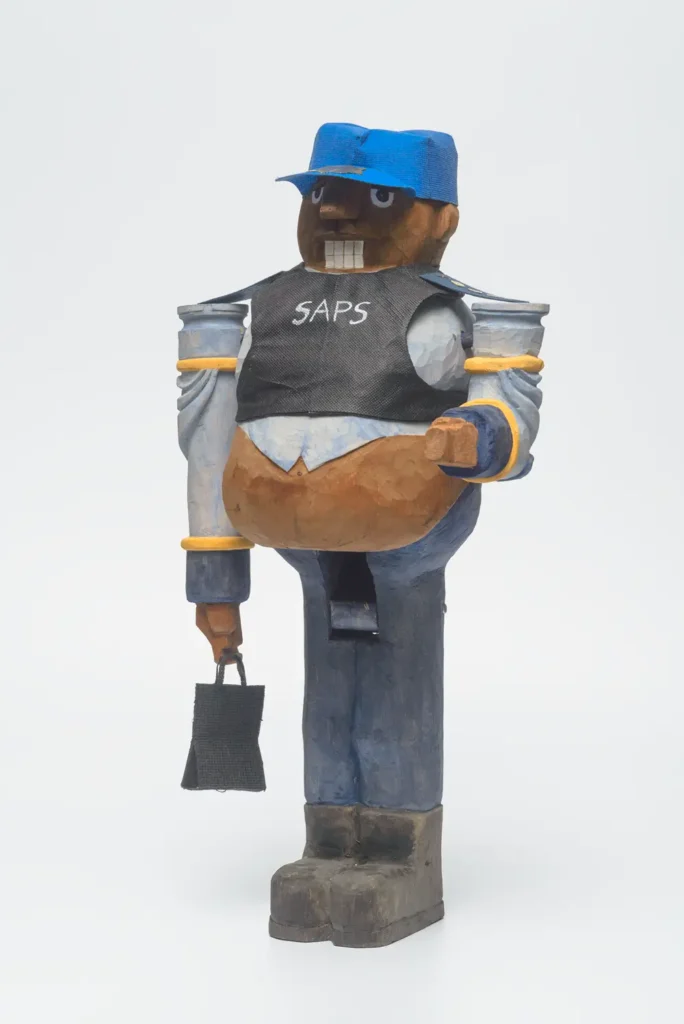
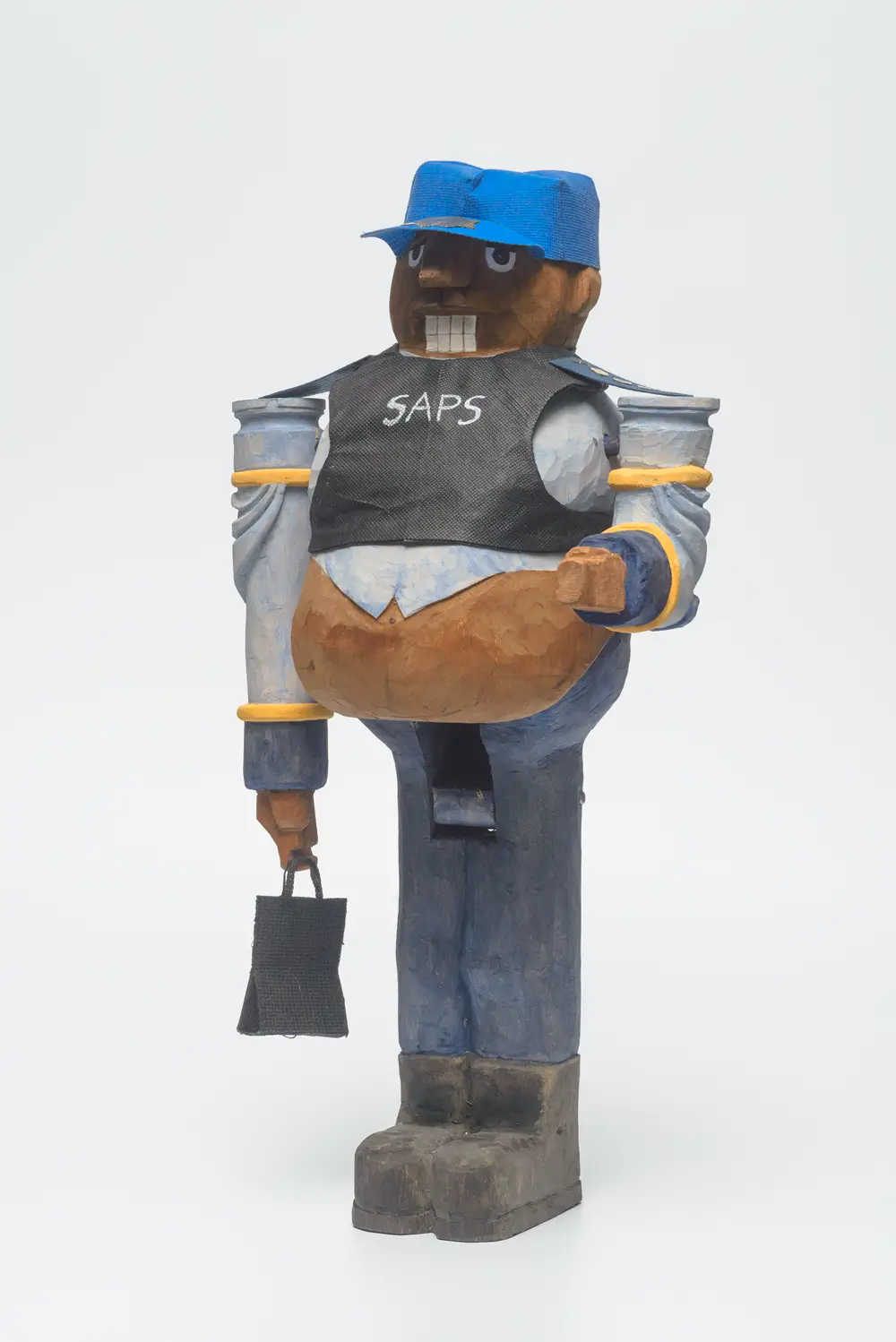
Charlie de Bruto uses humour more sharply in Ball Buster (2026), a hand-carved wooden sculpture prompted by reporting around the Cat Matlala case and questions about police corruption and accountability.
Beginning with the traditional form of a nutcracker soldier, De Bruto transforms it into an exaggerated police figure. Small details, including a cat motif and miniature shopping bag, refer back to the source material behind the work.
The sculpture was also De Bruto’s first experience of carving wood. She taught herself to use hand tools, construct moving parts and assemble the figure, allowing the material process to become part of the work’s character.
Thomas Masingi: Meeting the shadow
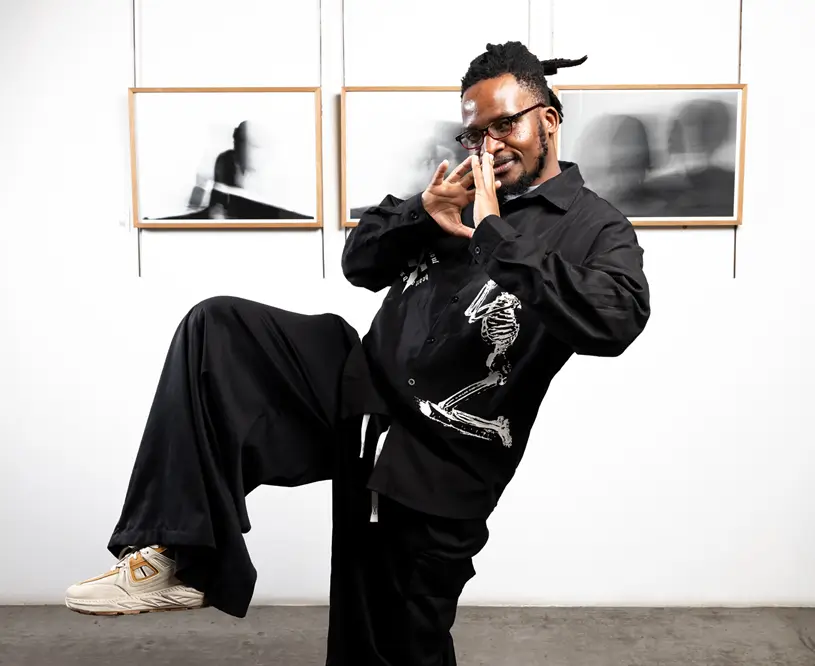
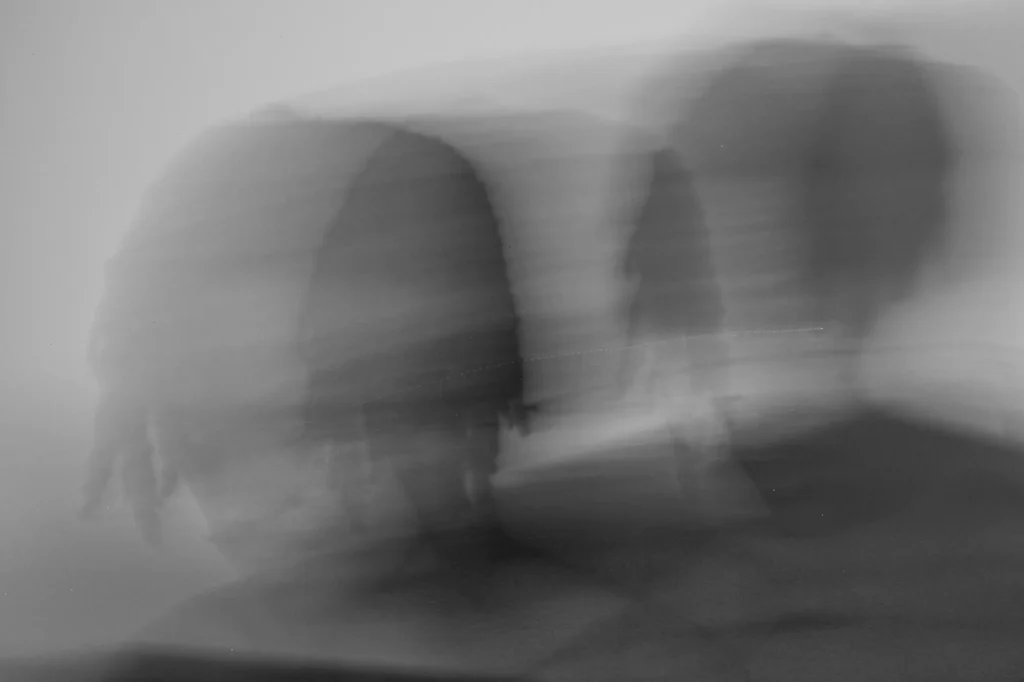
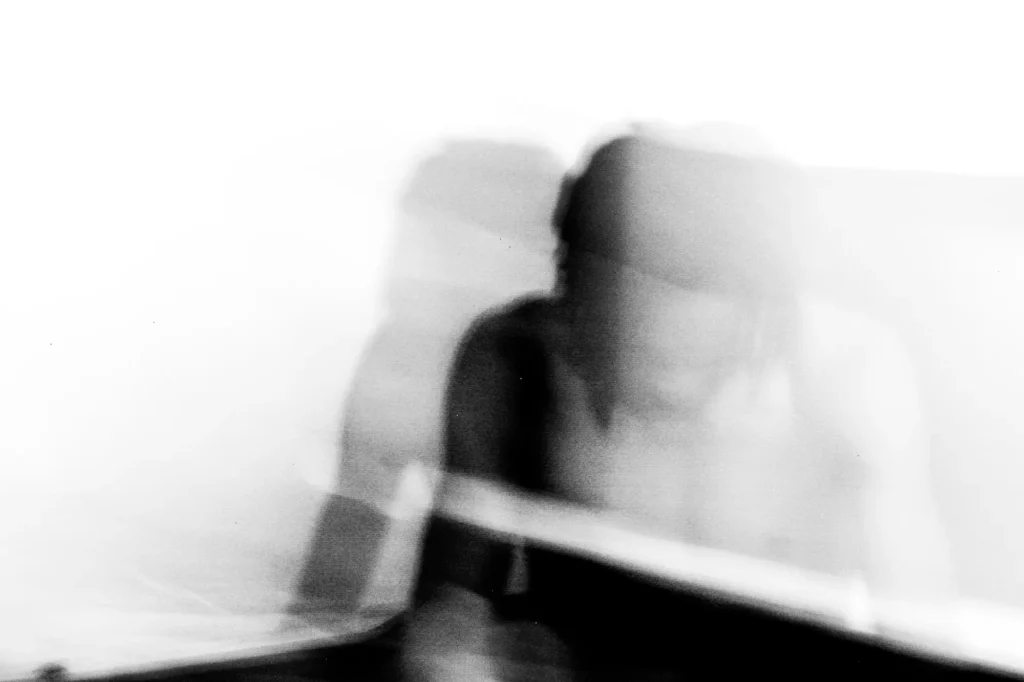
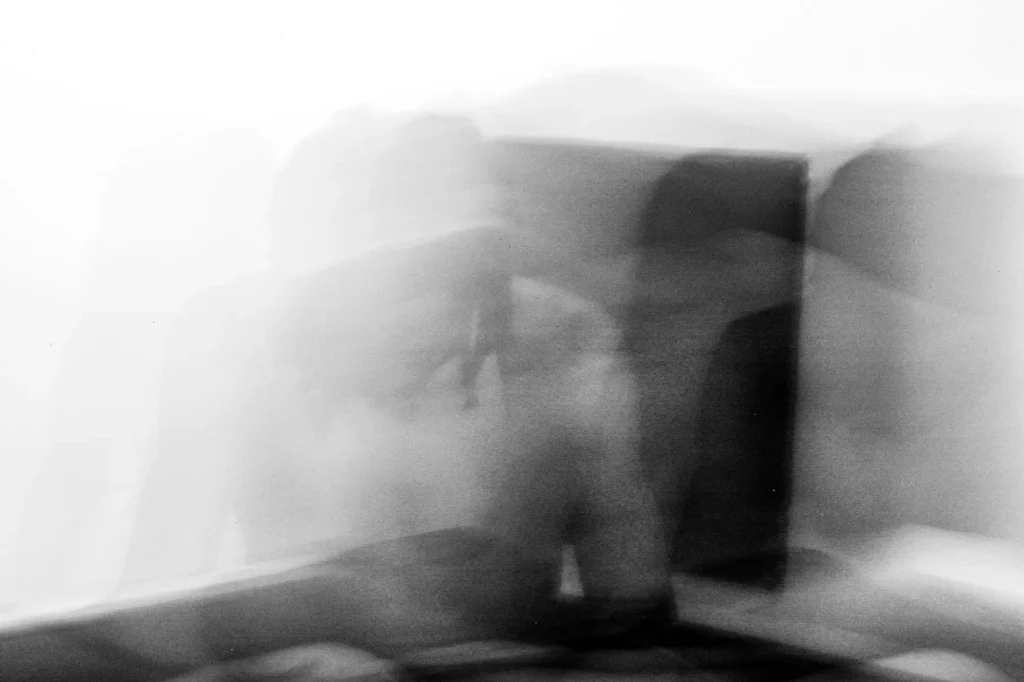
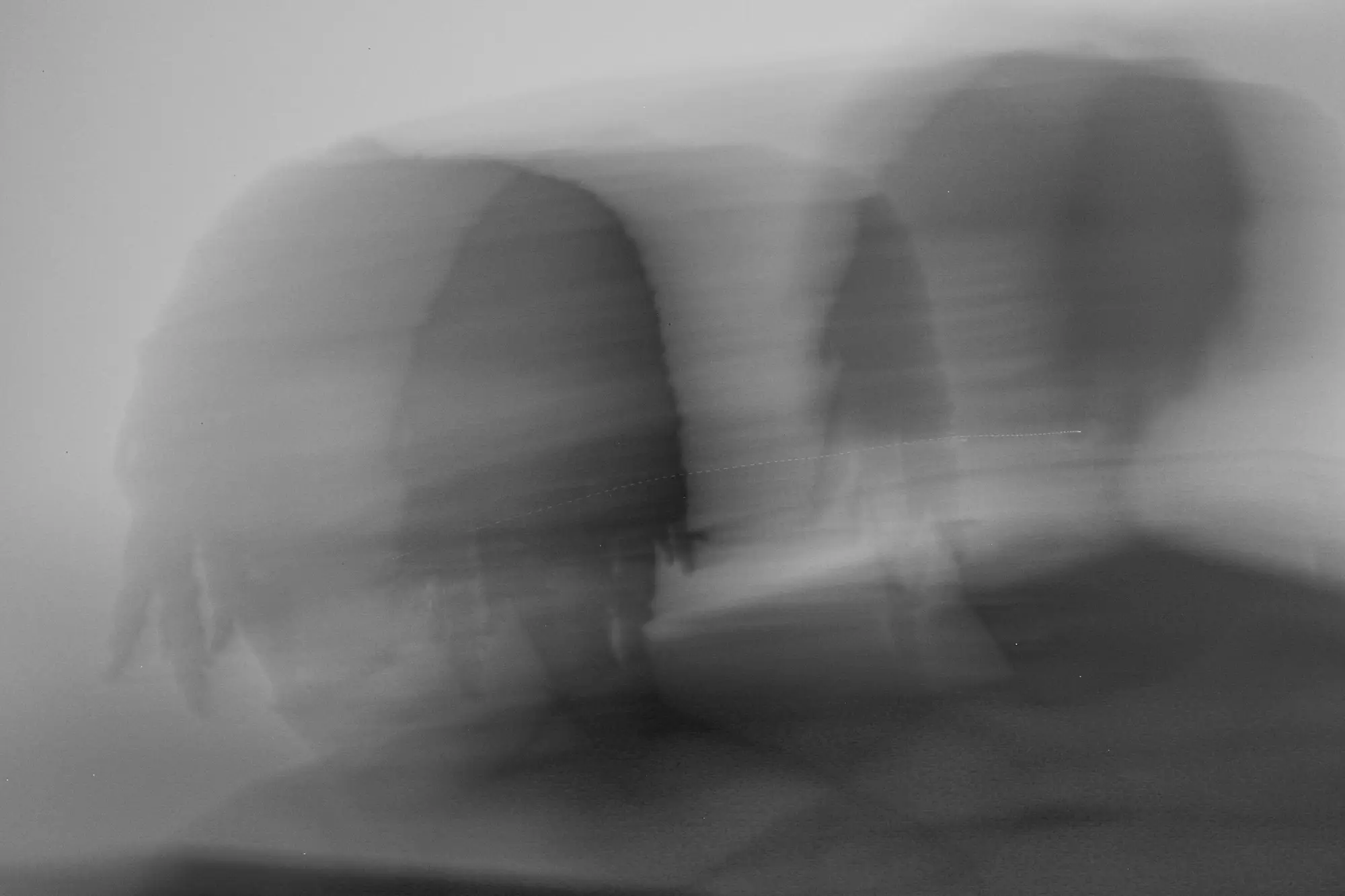
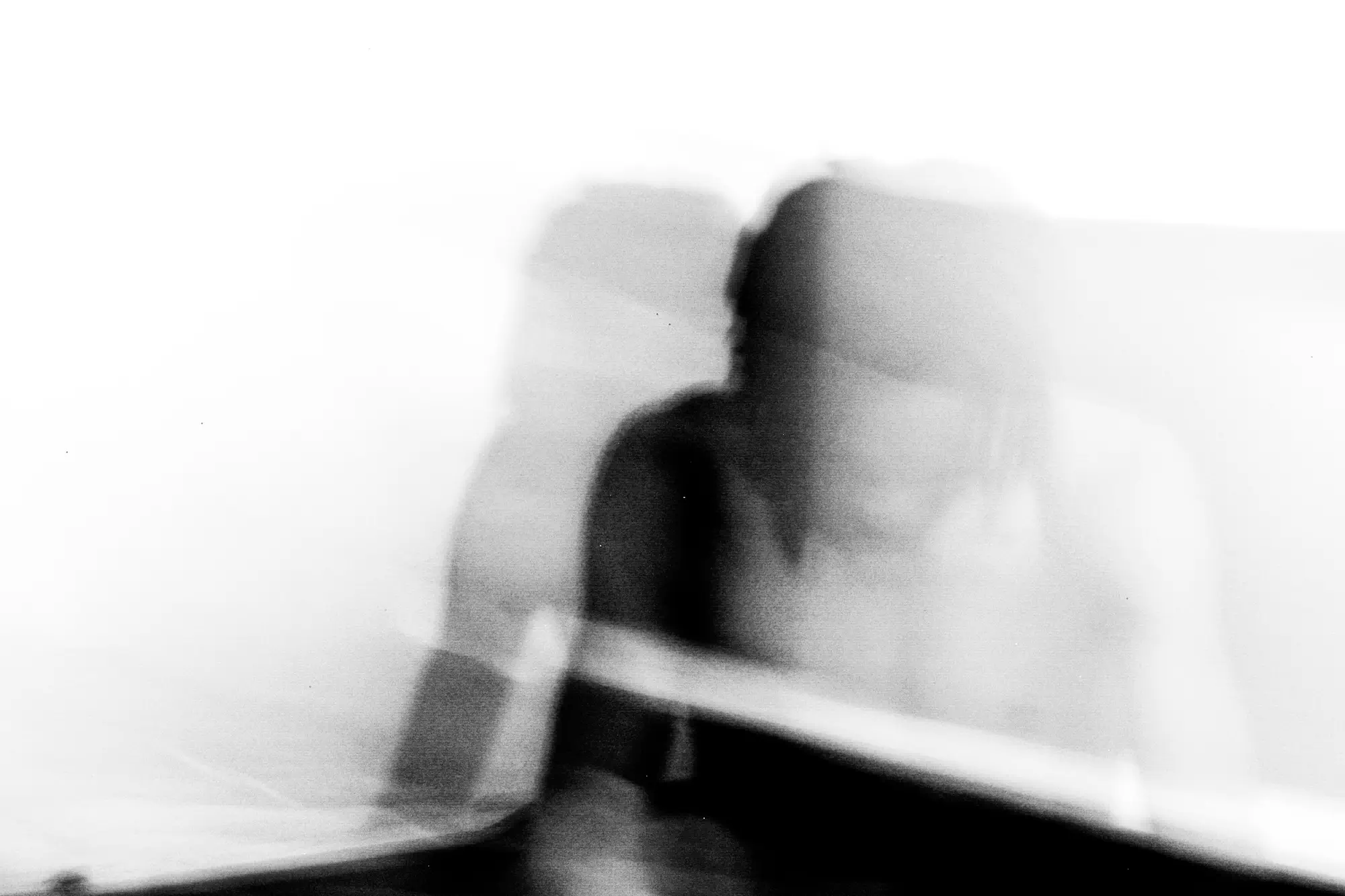
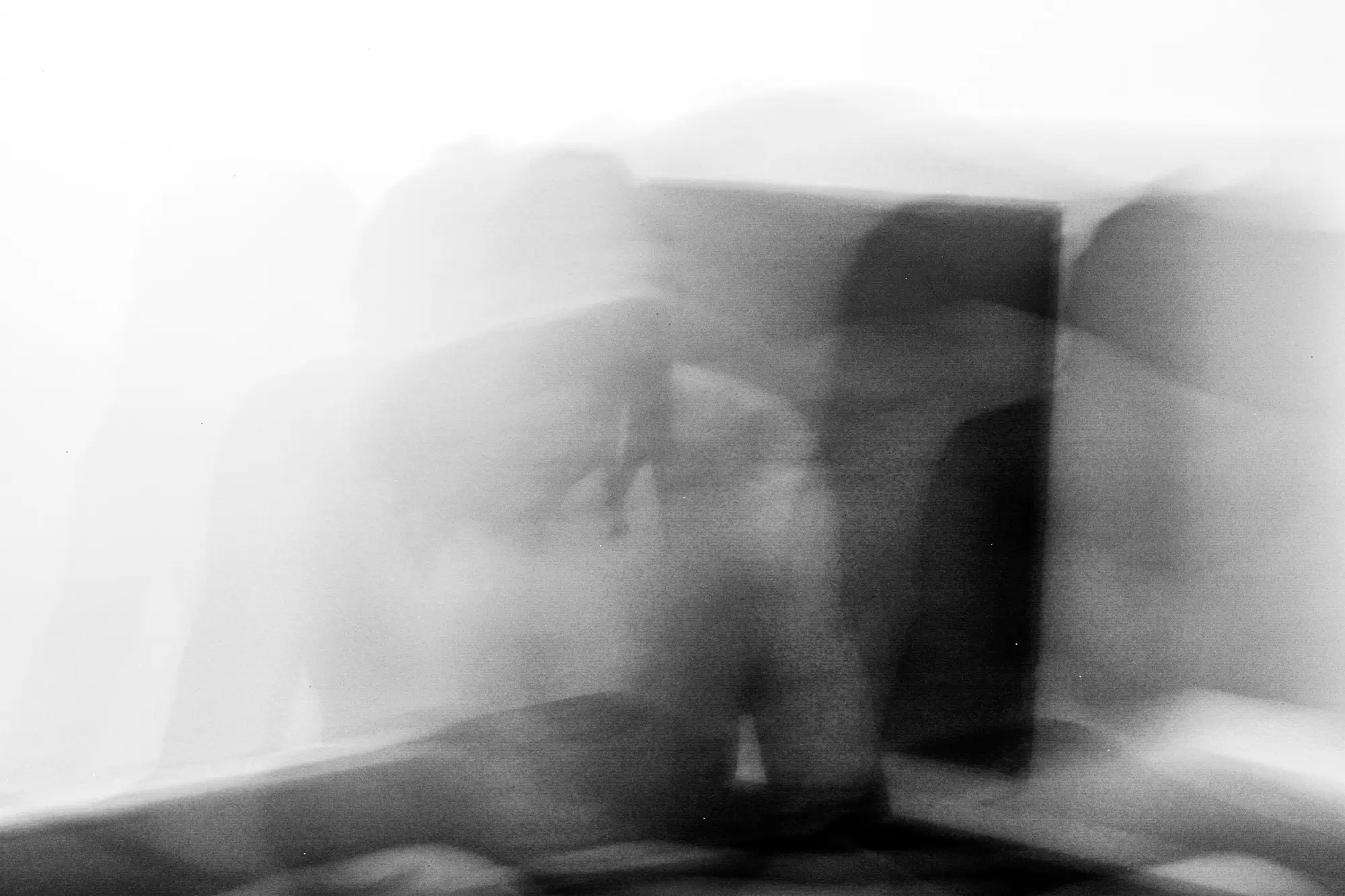
Artist, curator and poet Thomas Masingi turns inward in The Desire to Become One series (2025), a photographic triptych informed by Jungian ideas around the shadow self.
The work introduces Shadow Man, a figure confronting parts of himself he has previously rejected. Masingi developed the series through writing, journalling and conversations with his model, Matome Masipa, before producing more than 1,200 photographs.
He also draws on the relationship between the Sepedi words moriti, meaning shadow or shade, and seriti, associated with dignity or aura. That linguistic connection gives the work another way of considering how identity is assembled, hidden and recognised.
Charné Mungur: Making statistics physical
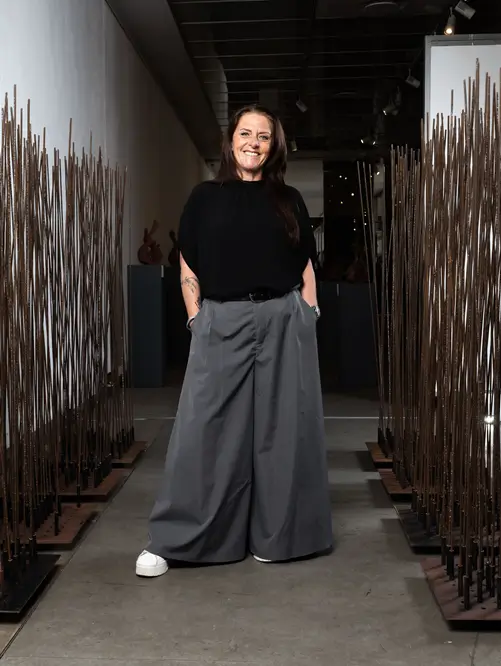
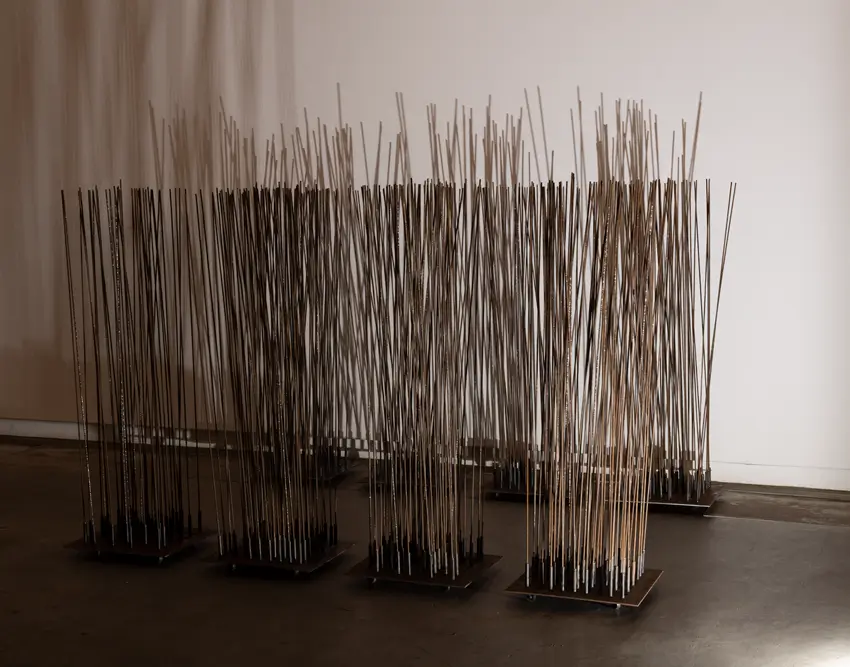
Charné Mungur’s Echoes of Silence (2025) is one of the exhibition’s largest works, weighing approximately 270 kilograms.
Responding to a 2024 Human Sciences Research Council report on gender-based violence, Mungur uses repeated grinder marks across steel to turn an abstract statistic into a physical surface.
The rigid structure and weathered material point towards systems intended to protect people but capable of failing them. Light and shadow alter the installation as viewers move around it, changing how the dense accumulation of marks is perceived.
Mungur came to visual art after a career in design, photography and marketing and began studying at Nelson Mandela University at 45. She is now completing her Honours degree, with sculpture at the centre of her practice.
The wider exhibition
The seven award-winning works sit within a much larger exhibition of 123 finalists, selected from entries submitted across South Africa.
Sasol has sponsored the New Signatures competition for 36 years, and the annual exhibition remains an important point of entry for emerging artists working across a broad range of media.
Visitors can also see Die Vallei van Adem, the debut solo exhibition by Juandré van Eck, winner of the 2025 competition.
Taken together, this year’s works are less united by a single style than by the way artists use material to hold complicated experiences: cardboard carries inheritance, glass becomes a way of renegotiating tradition, photography turns inward, and steel gives weight to what is otherwise easily reduced to numbers.
Images courtesy of Sasol New Signatures and participating artists.
Exhibition Details
Sasol New Signatures 2026 Winners and Finalists
Venue
Pretoria Art Museum
Corner Francis Baard and Wessels Streets
Arcadia Park, Pretoria
Exhibition Dates
10 September – 8 November 2026
Museum Hours
Tuesday – Sunday
10h00–17h00
Closed Mondays and public holidays
Contact
Association of Arts Pretoria
012 346 3100 / 083 288 5117
artspta@mweb.co.za
courtesy of Sasol New Signatures