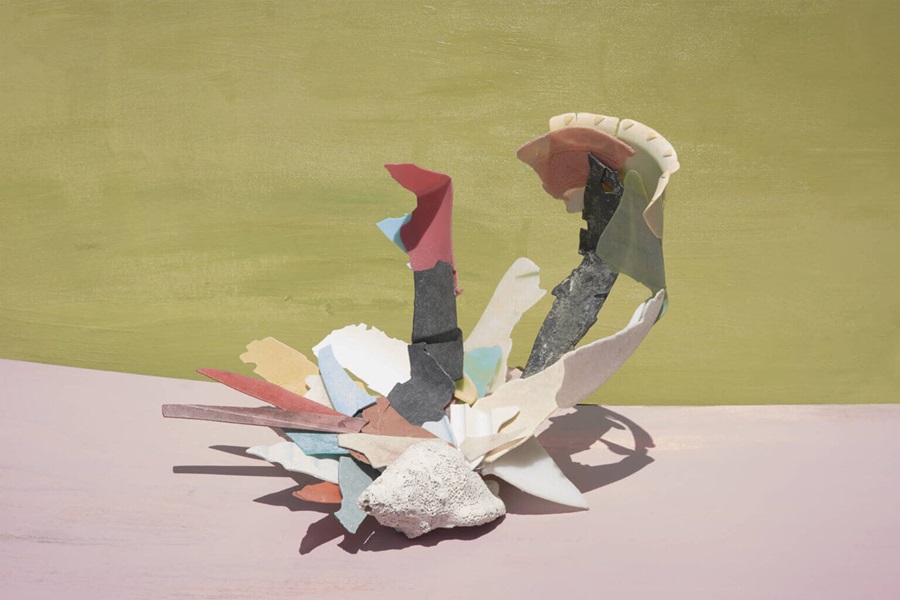
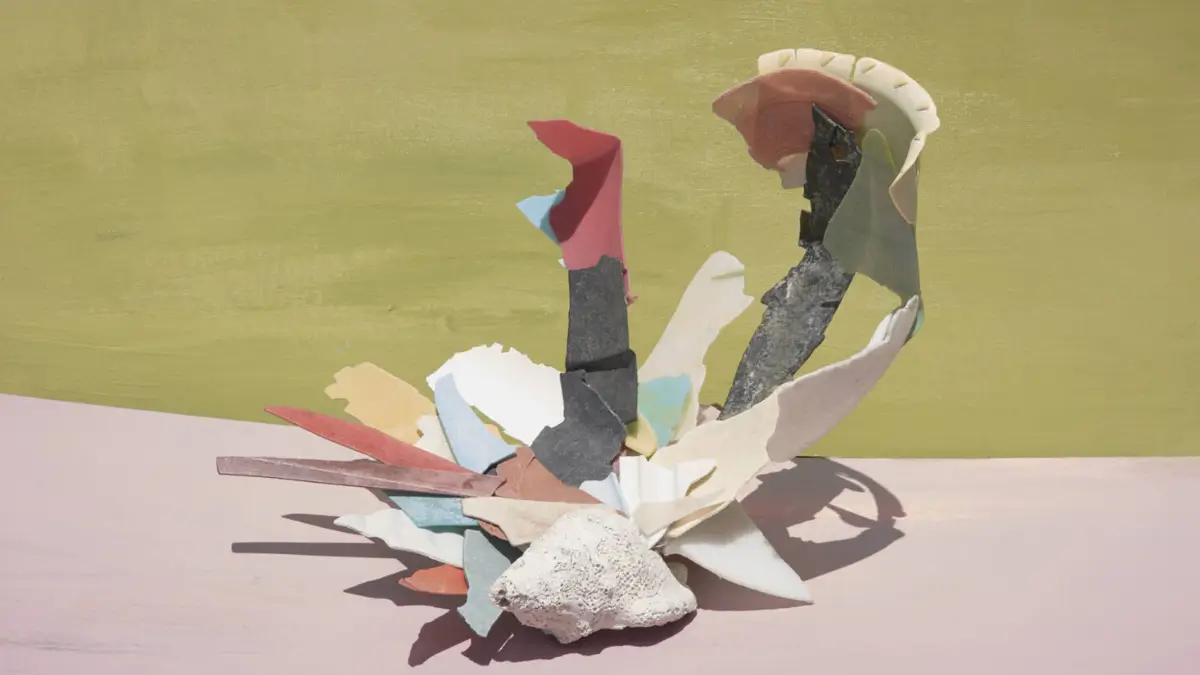
There is something disarming about the work of Thirza Schaap. You are drawn in by the colour, balance and beauty of each composition before realising that what you are admiring, was once washed ashore as rubbish.
In After the Tide, the Dutch artist transforms discarded plastic into something entirely new. Rather than recycling waste into art, Schaap reframes it, transforming bottles, flip-flops, toothbrushes, shopping bags and other fragments collected from South Africa’s coastline into beautifully composed photographic works. The result is both visually captivating and unsettling.
The exhibition asks us to look more closely at the things we usually ignore. Plastic is designed to be disposable, yet it remains long after its usefulness has ended. By elevating these forgotten objects into carefully arranged artworks, Schaap reveals an uncomfortable truth: the materials we throw away continue to shape the landscapes we value most.
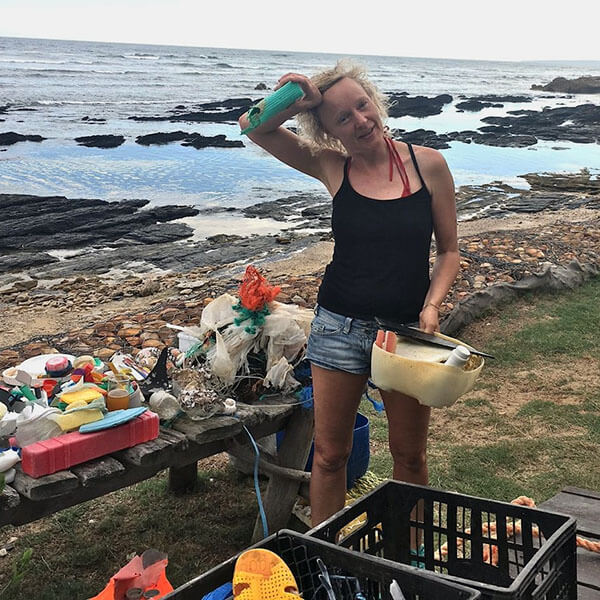
Living and working between Amsterdam and Cape Town since 2013, Schaap began her Plastic Ocean project after noticing how her beach walks had changed. Instead of finding shells and driftwood, she found herself collecting colourful fragments of consumer waste. Those discoveries became the foundation of Plastic Ocean, a body of work that is less about documenting pollution than changing the way we see it.
In After the Tide, the Dutch artist asks us to see discarded plastic differently. Rather than recycling waste into art, Schaap reframes it, transforming bottles, flip-flops, toothbrushes, shopping bags and other fragments collected from South Africa’s coastline into beautifully composed photographic works.
As part of HEAT Winter Arts Festival 2026, the exhibition also features Plastic Ocean: A Curatorial Conversation on Wednesday, 12 August, from 16:30 to 17:30 at Berman Contemporary. HEAT Festival director Mary Corrigall joins the gallery’s curator to discuss Schaap’s practice and how it connects with the festival’s Ctrl + Z theme, exploring whether environmental damage can be reversed and how art can encourage new ways of thinking about repair
After the Tide reminds us that the things we discard rarely disappear. By asking us to look again, Schaap encourages us to reconsider what we leave behind.