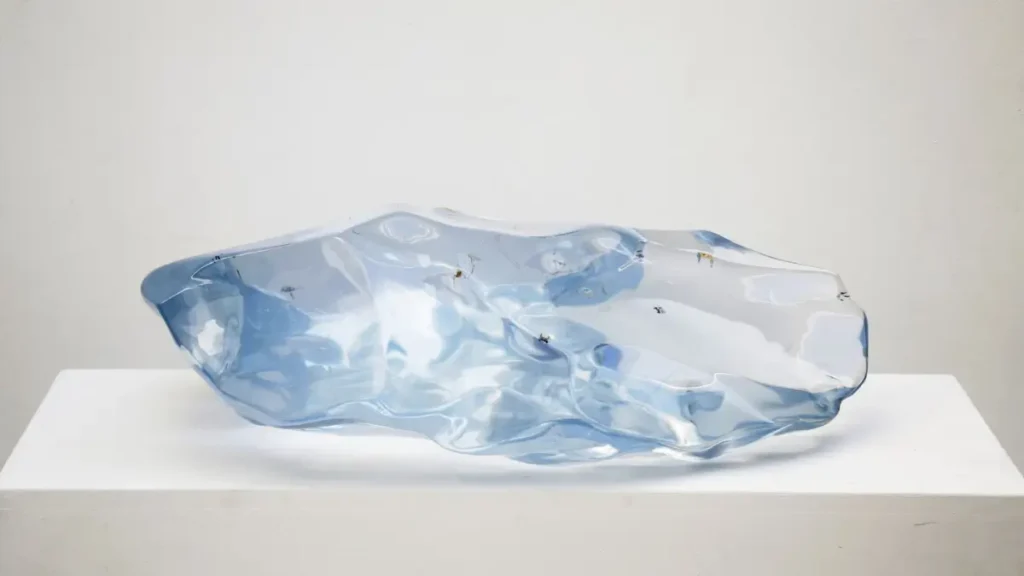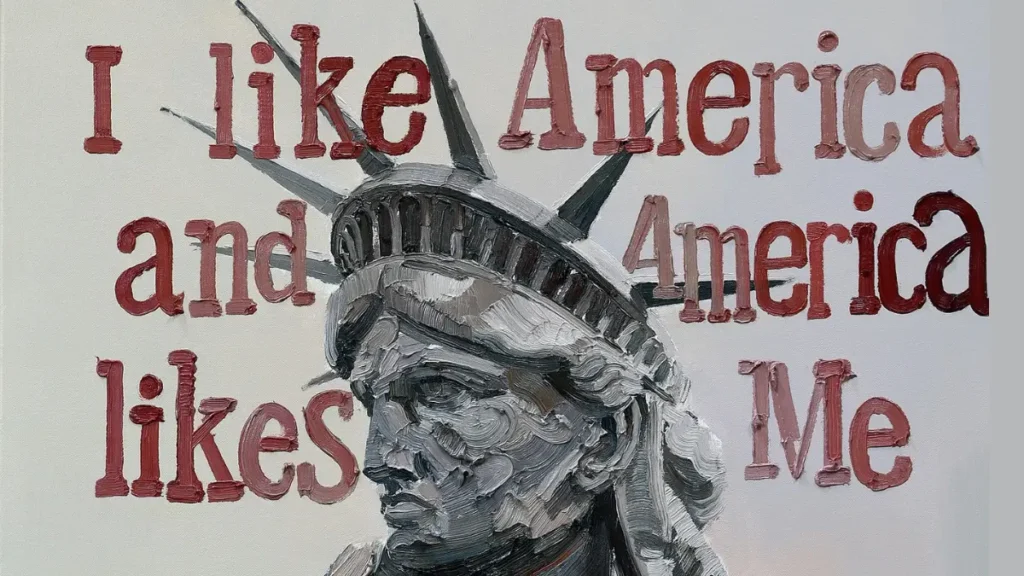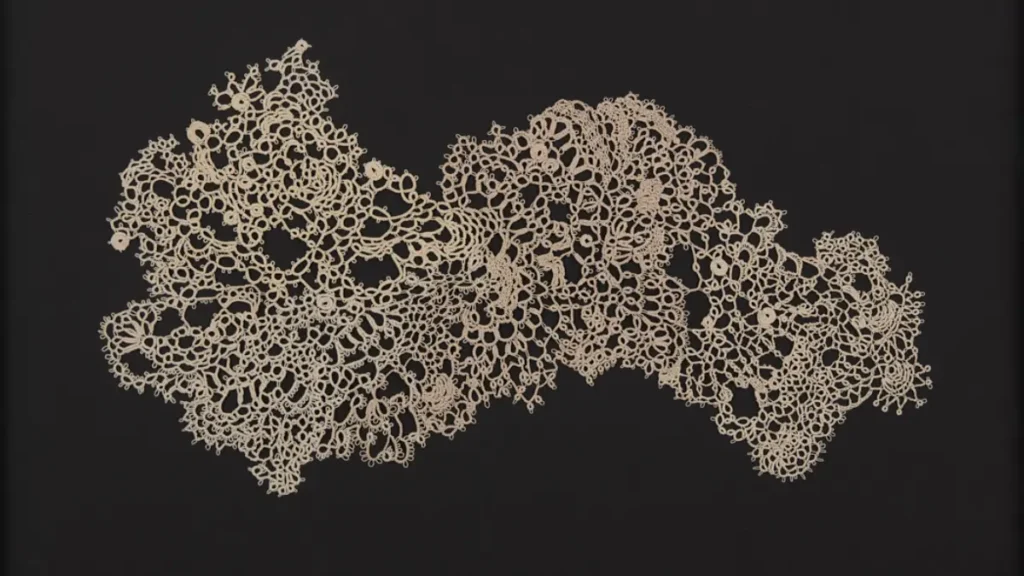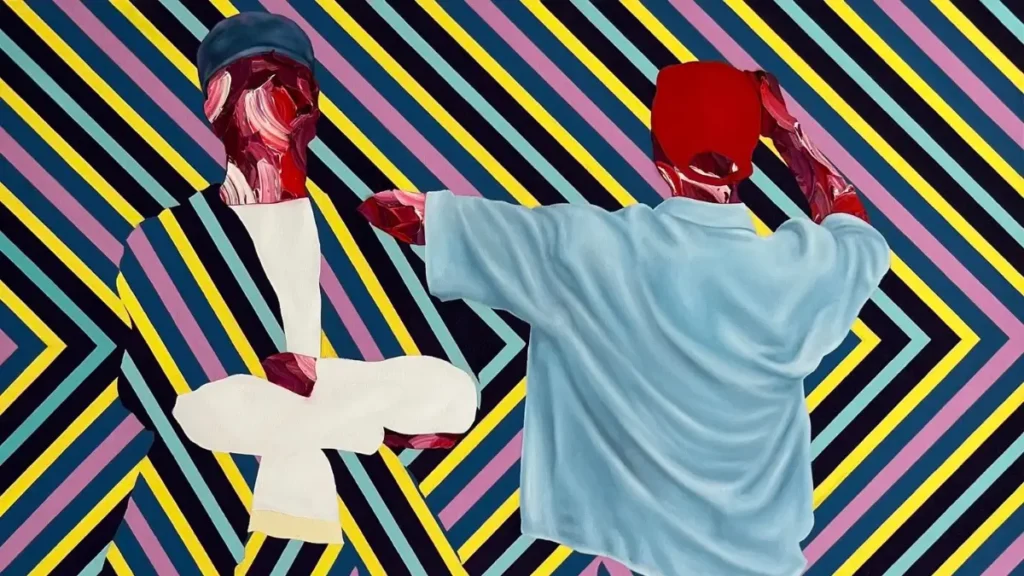

The File Cannot Be Restored borrows the language of digital failure for something that cannot be solved with a simple command: history. Presented in response to HEAT Festival’s 2026 theme, Ctrl + Z, the exhibition considers what remains when the past cannot be erased, reversed or returned to an earlier state.
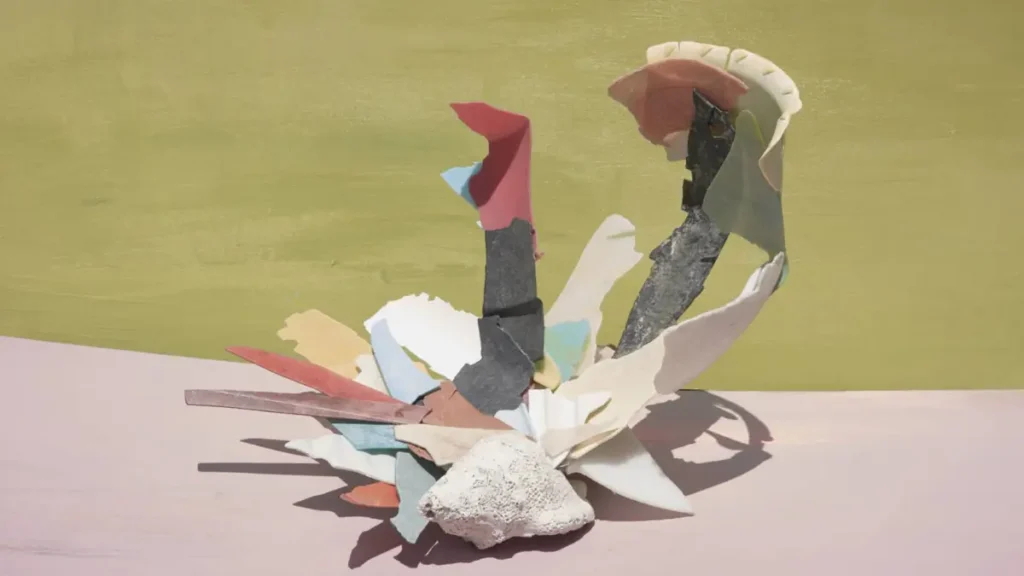
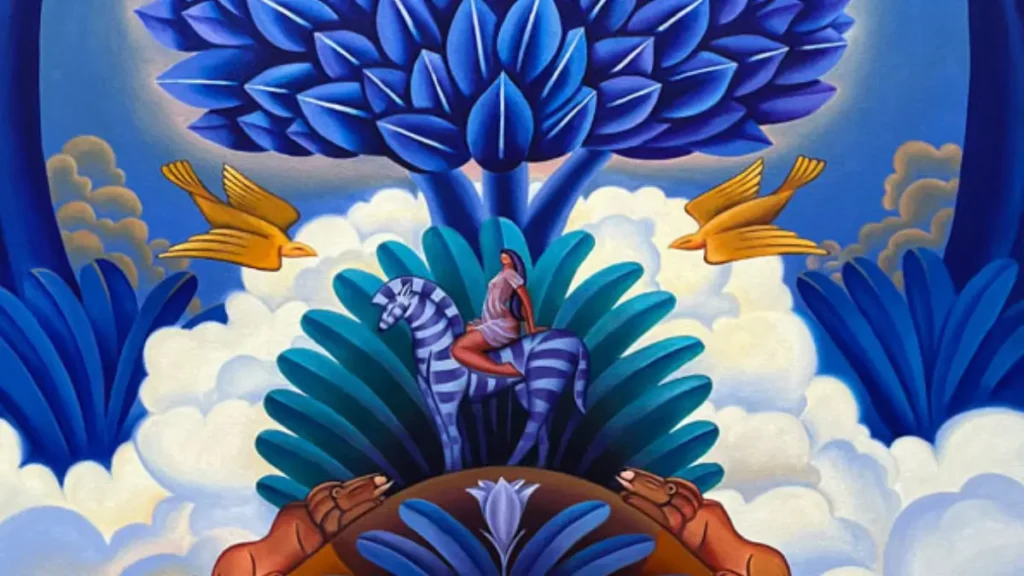
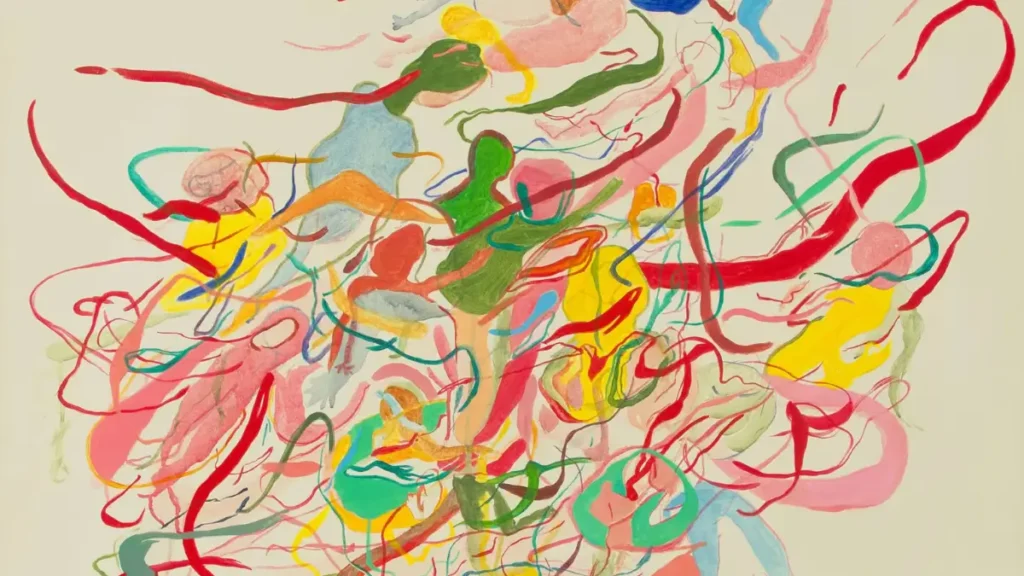
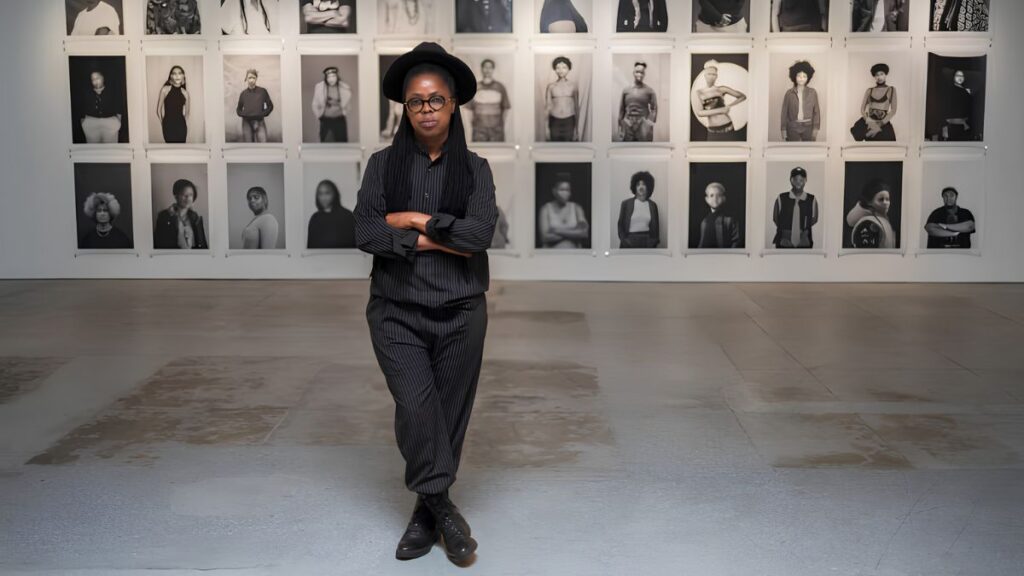
The exhibition features Nicola Brandt, Tshepiso Moropa and Sahlah Davids, whose work moves across photography, collage and textile assemblage. Each begins with material that already carries a history — archival photographs, inherited traditions, family stories, found objects and landscapes shaped by political and ecological change.
Nicola Brandt works closely with Namibia’s colonial history and the ways it continues to inhabit the landscape. Her photographs have involved long-term collaborations with people and communities whose histories are tied to German colonial rule. Clothing also becomes part of this process. Victorian-influenced garments introduced through missionary culture were subsequently adapted and claimed by Namibian communities, acquiring meanings far removed from their colonial origins. Brandt photographs these garments within landscapes already marked by memory, violence and survival.
Her wider practice has been shown internationally, including at MAXXI in Italy, MARKK in Germany and the National Art Gallery of Namibia. She is also the author of Landscapes between Then and Now and The Distance Within, both of which extend her interest in the relationship between landscape, memory and historical representation.
For Sahlah Davids, history is carried through fabric, ornament and making. Her work draws on the material culture of Cape Muslim communities, using textiles, beads, pins and other familiar elements to trace histories that are personal, cultural and architectural. Davids, who trained in Fine Art at Michaelis and recently completed a Master’s degree in Urban Design, is interested in how these inherited forms of knowledge might also inform the spaces and communities of the present.
Tshepiso Moropa works through collage, reconstructing images and visual histories through cutting, layering and recombination. Her practice has gained increasing international attention in recent years, including the Contemporary African Photography Prize in 2024 and the V&A Parasol Foundation Prize for Women in Photography in 2025, alongside presentations at Paris Photo and 1-54 London.
Across the exhibition, fragments of the past are repeatedly taken apart and placed into new relationships. A photograph changes when it is cut and reassembled. A garment introduced through colonial contact can acquire an entirely different cultural meaning. A landscape can hold histories that remain present long after the events themselves have passed.
The File Cannot Be Restored uses these acts of reconstruction to question what it means to inherit history. The past remains incomplete and sometimes uncomfortable, but it is also continually being reinterpreted through the materials, memories and traditions that survive into the present.