Three-Part Play
A trio exhibition by Xanthe Scout Lardner-Burke, Pia Truscott and Daniel Tucker
99 Loop Gallery, Cape Town
29 August – 26 September 2026
Three-Part Play grows from three years of regular studio conversations between Xanthe Scout Lardner-Burke, Pia Truscott and Daniel Tucker. Moving between their workspaces in Lower Gardens, Paarden Eiland and Salt River, the artists have developed a close understanding of one another’s practices through sustained discussion and critique.
The exhibition carries that exchange into the gallery. Each artist works with a distinct set of materials and decisions, while connections emerge through line, repetition, found objects and an ongoing resistance to finality.
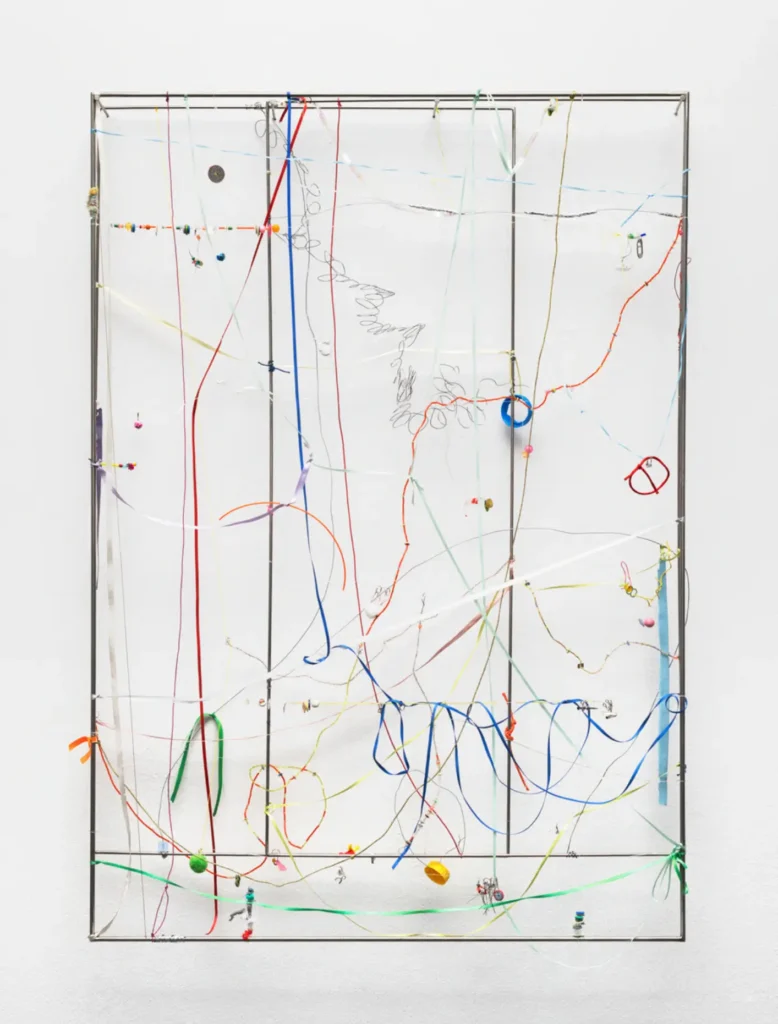
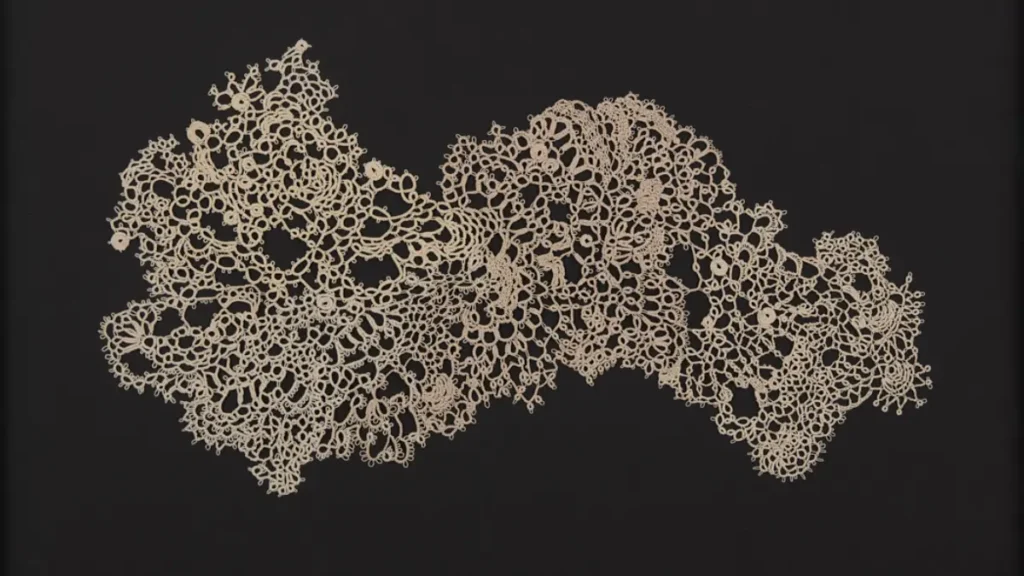
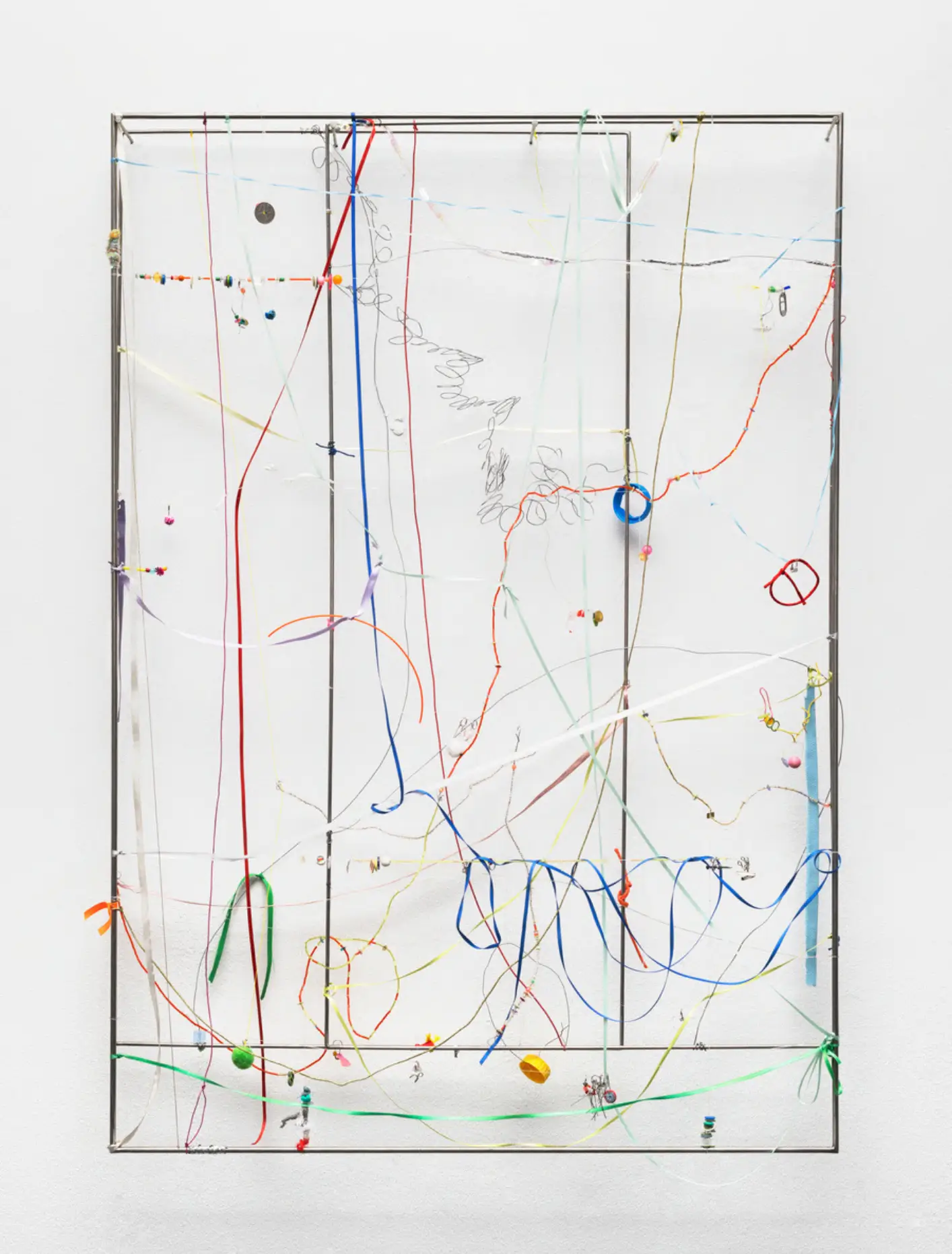
Pia Truscott constructs delicate wire arrangements filled with paperclips, buttons, bottle caps, ribbons, beads, elastic bands and fragments of 3D-printer filament. Small discarded objects are lifted from their original settings and reorganised across metal frames. The resulting works resemble provisional maps, inventories or systems whose parts could still shift into another configuration.
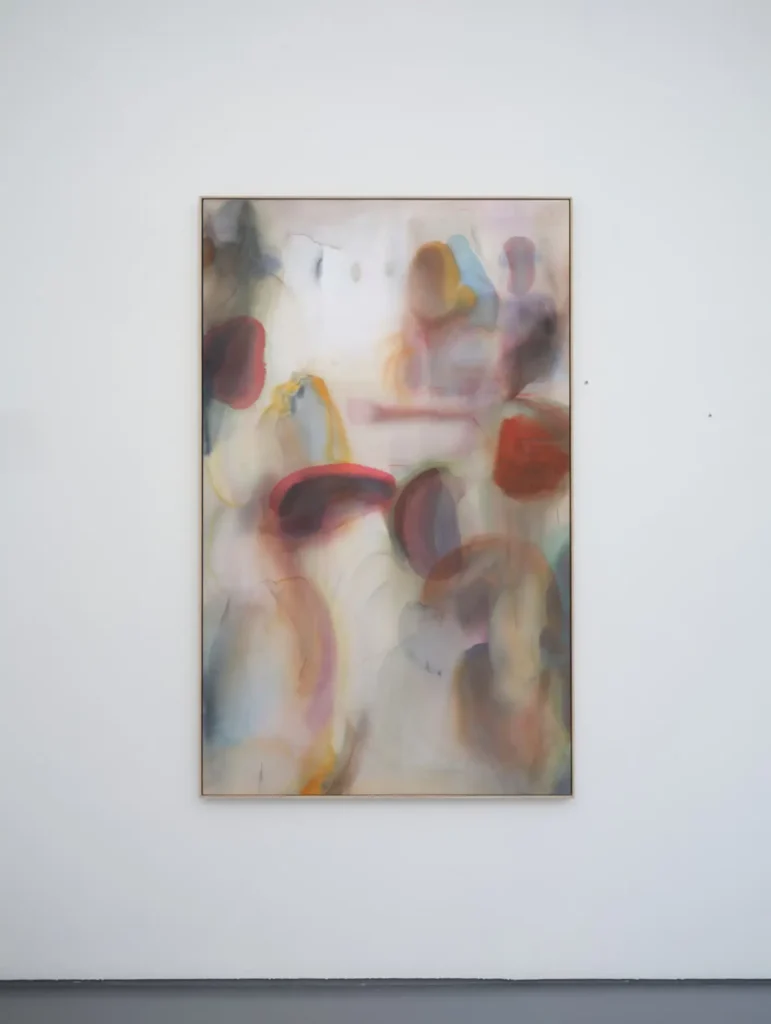
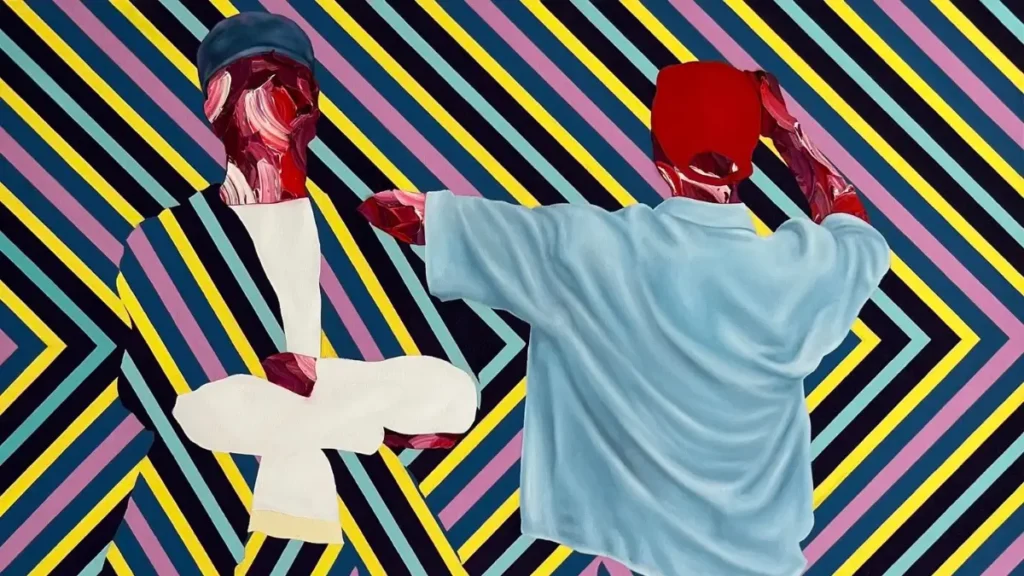
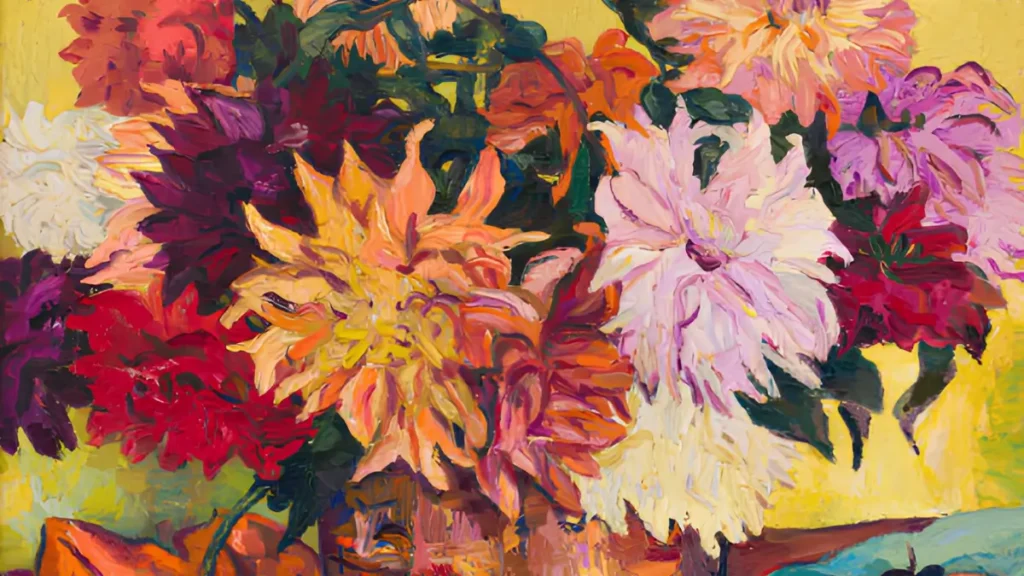
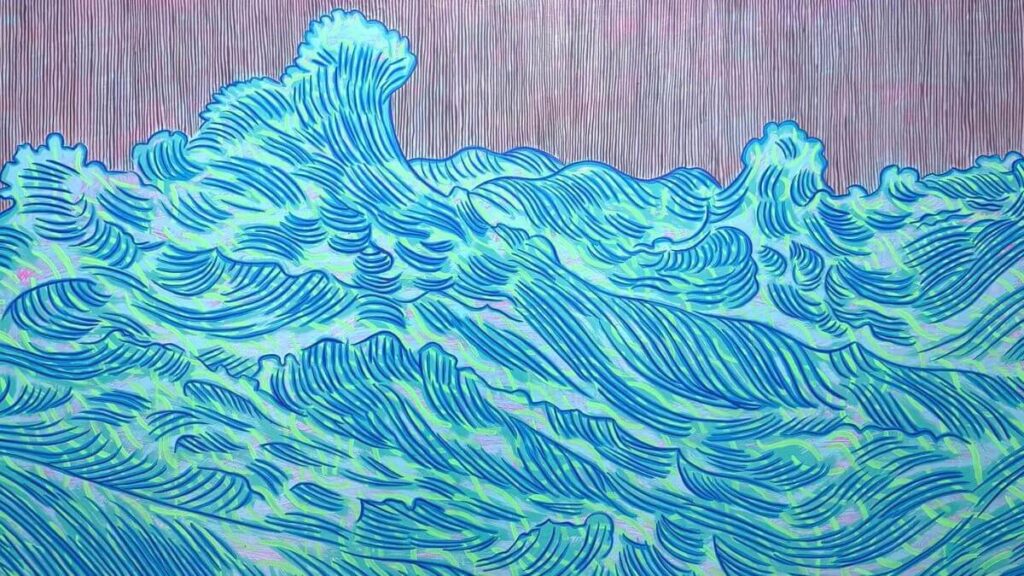
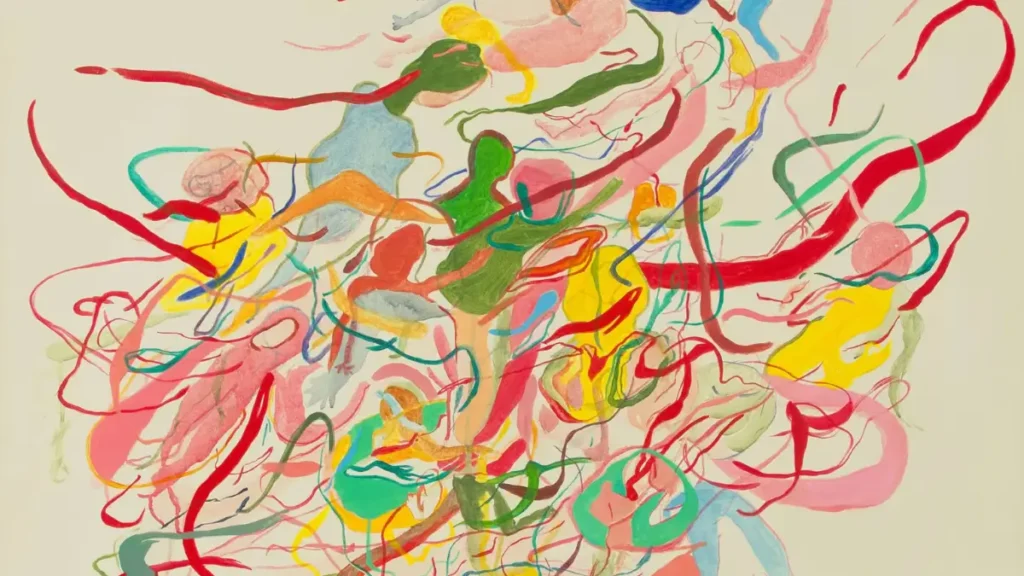
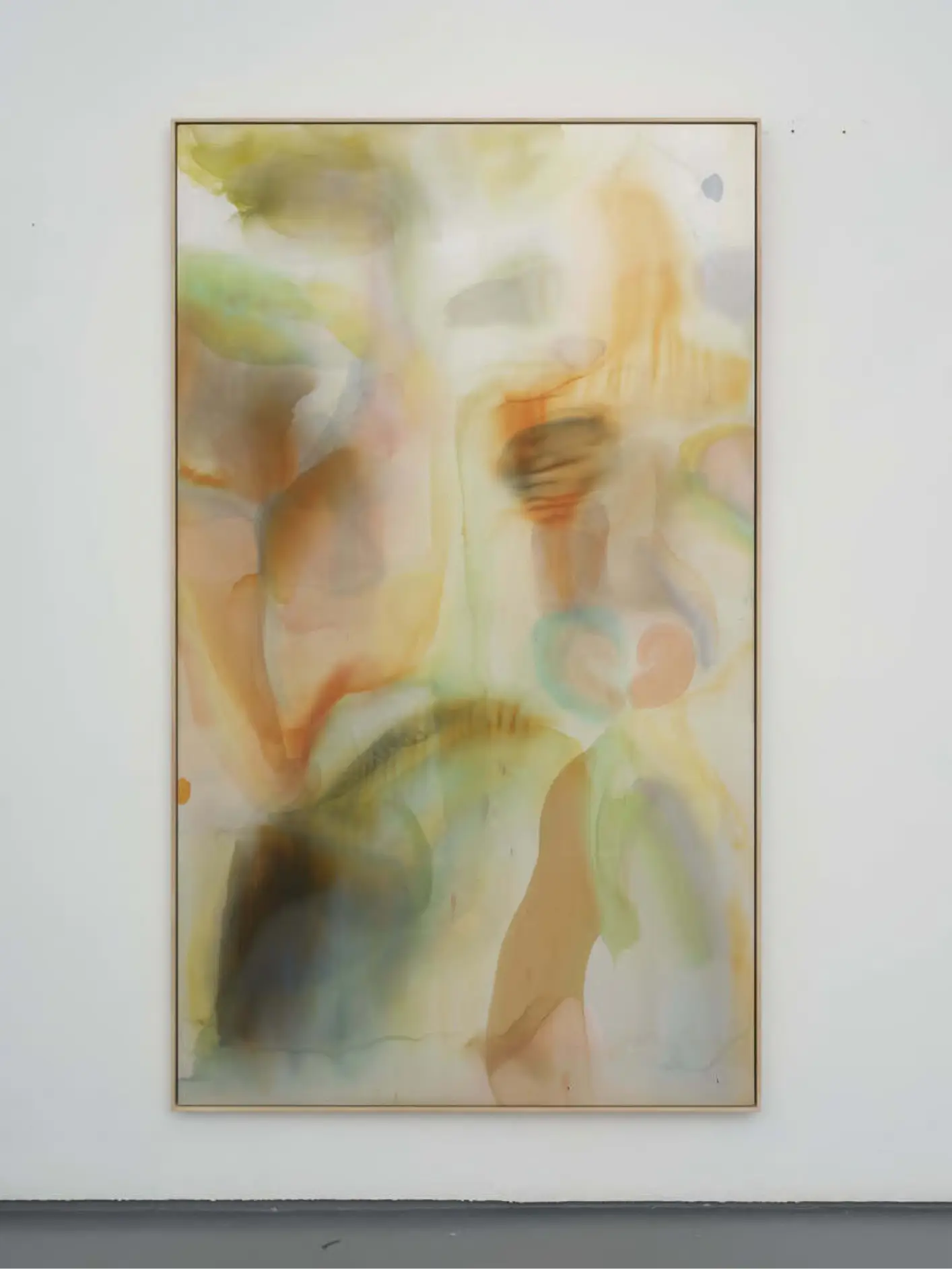
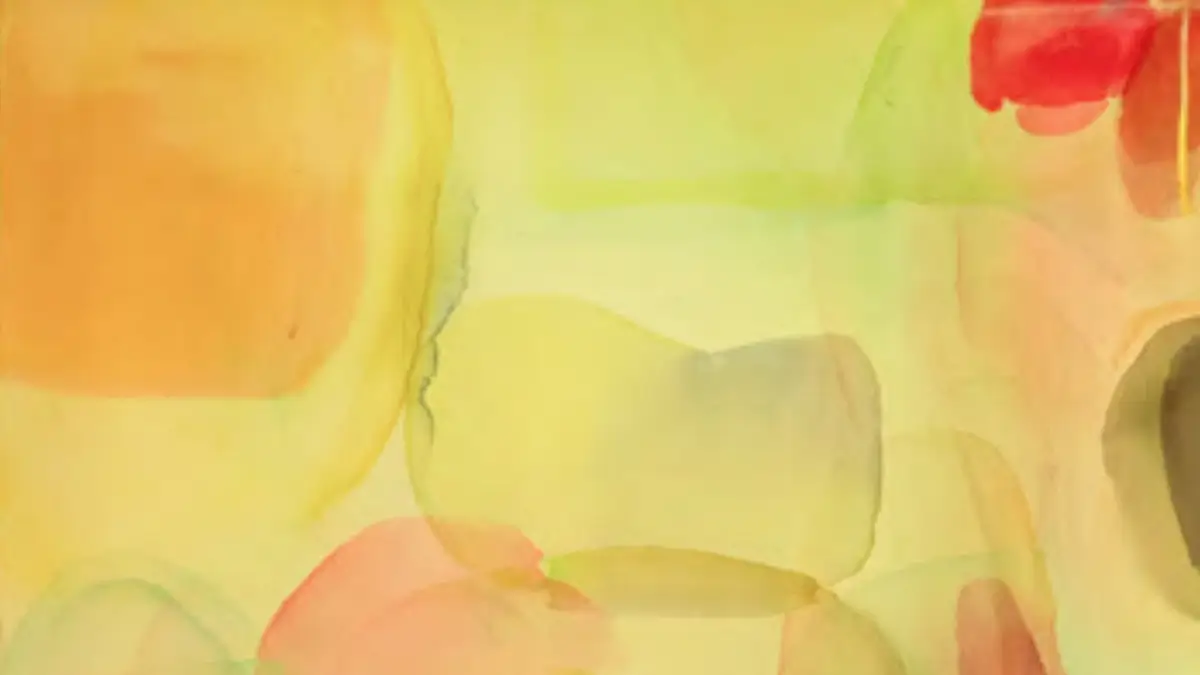
Xanthe Scout Lardner-Burke’s paintings develop through water-based pigments applied to polysatin. Pools of saturated and muted colour move between abstraction and the suggestion of recognisable forms. An image may appear through an accidental spread of pigment or through the viewer’s attempt to locate something within it. Her sculptures share this instability, using slender structures and precarious arrangements that seem capable of changing their associations.
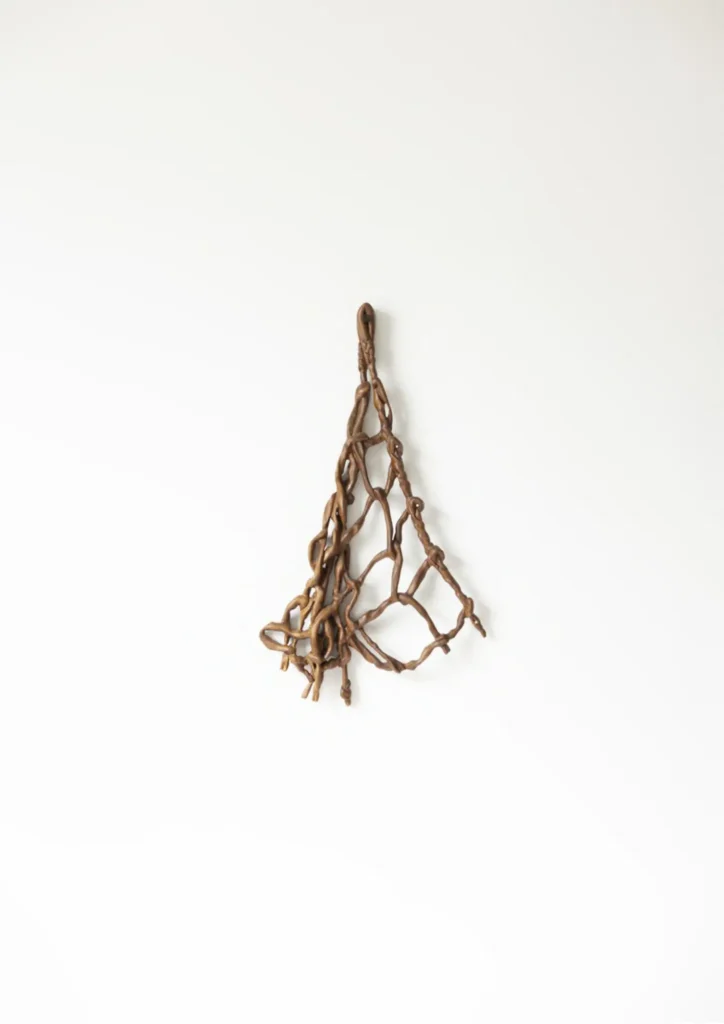
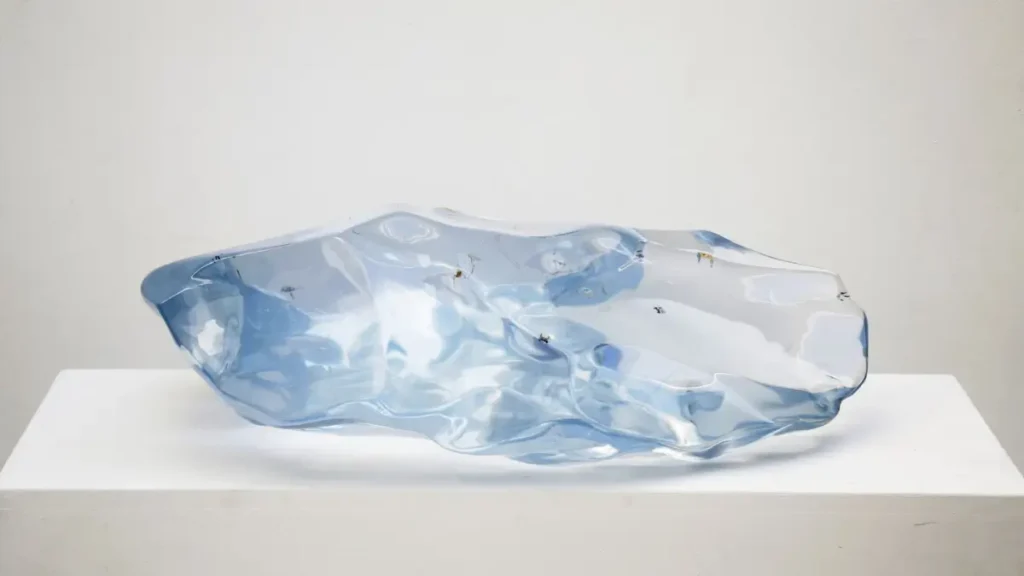
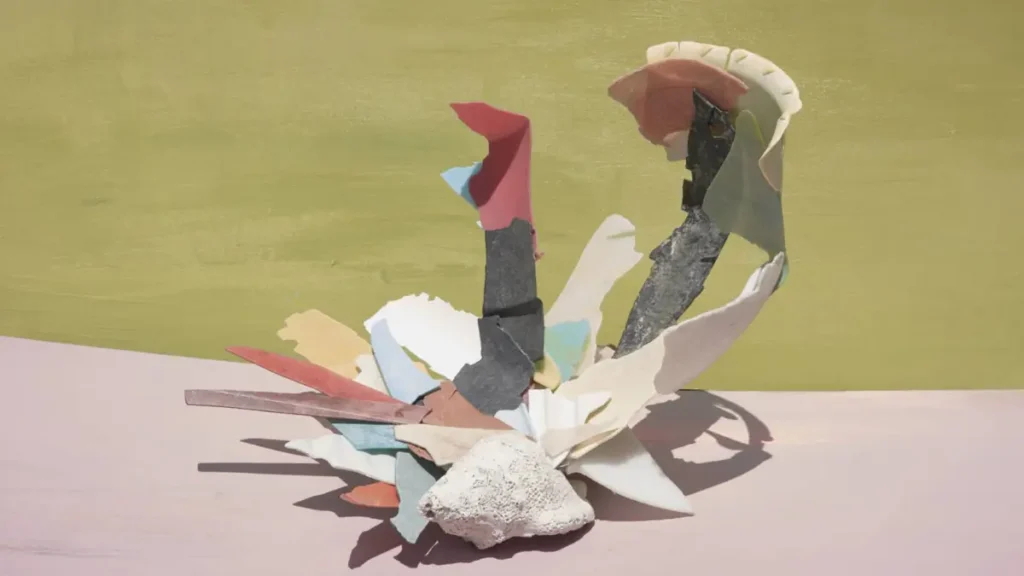
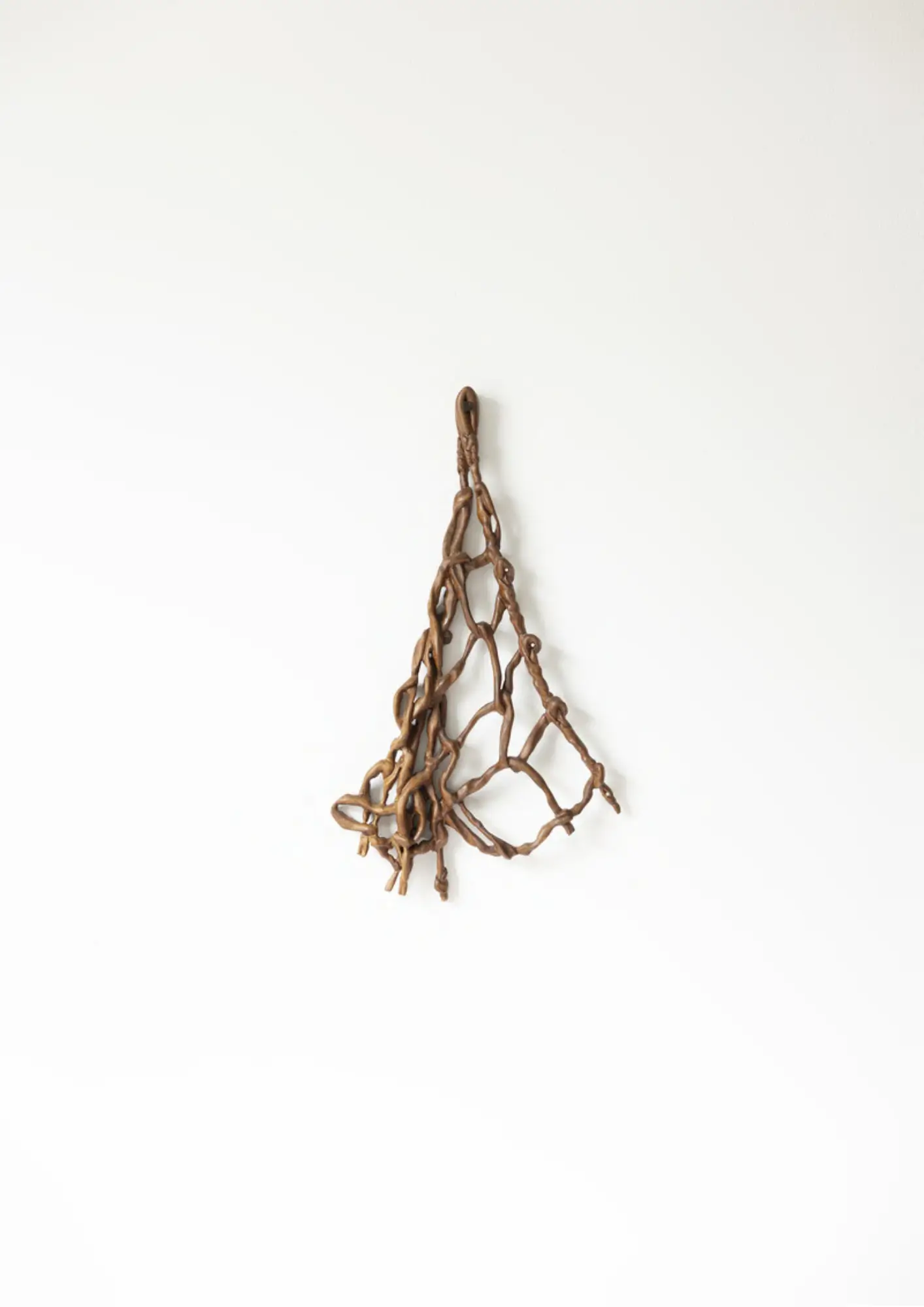
Daniel Tucker works with discarded industrial objects, carved wood and bronze. Pipes, ropes and other damaged remnants are studied, replicated and reconfigured through materials that retain their own grain, texture and history. His careful carving gives physical weight to objects whose industrial purpose has been exhausted, connecting them to wider questions about extraction, environmental damage and the systems on which daily life depends.
The three processes involve different forms of risk. Truscott’s constructions remain open to adjustment; Lardner-Burke’s fluid marks are made quickly after close consideration; Tucker’s carved forms develop through slower, irreversible cuts. Across these differences, each practice leaves room for reconsideration, return and revision.
Linear forms recur throughout the exhibition: suspended wire, the edge of a painted wash, the curve of a rope or the outline of a fishing net. These visual connections echo the critique group itself, where conversations circle back to earlier questions and continue to change as the work develops.
Three-Part Play presents dialogue as an active part of artistic practice. The exhibition records three independent ways of working alongside the questions, observations and shared attention that have shaped them over time.
Source exhibition text by Lucienne Bestall.